Depth First, Arithmetic Second
The hard part of this question is never the multiplication. It is knowing how deep the soil is supposed to be, and that changes completely depending on what you are building.
So the order that works is:
- Measure the length and width of the area.
- Decide the finished depth from the project, not from the budget.
- Turn that into cubic yards.
- Add an allowance for settling.
If you would rather skip straight to the number, the soil calculator handles several areas at once and applies the allowance for you.
What a Cubic Yard Covers
One cubic yard is 27 cubic feet, which spreads over 324 square feet at 1 inch deep. Everything else is that number divided by the depth.
| Depth | One cubic yard covers |
|---|---|
| 1 inch | 324 sq ft |
| 2 inches | 162 sq ft |
| 4 inches | 81 sq ft |
| 6 inches | 54 sq ft |
| 10 inches | 32 sq ft |
| 12 inches | 27 sq ft |
Coverage by Area and Depth
Cubic yards needed, before the settling allowance.
| Area | 1 inch | 2 inches | 4 inches |
|---|---|---|---|
| 100 sq ft | 0.3 | 0.6 | 1.2 |
| 250 sq ft | 0.8 | 1.5 | 3.1 |
| 500 sq ft | 1.5 | 3.1 | 6.2 |
| 1,000 sq ft | 3.1 | 6.2 | 12.3 |
| Area | 6 inches | 10 inches | 12 inches |
|---|---|---|---|
| 100 sq ft | 1.9 | 3.1 | 3.7 |
| 250 sq ft | 4.6 | 7.7 | 9.3 |
| 500 sq ft | 9.3 | 15.4 | 18.5 |
| 1,000 sq ft | 18.5 | 30.9 | 37.0 |
The formula behind the table, for anything not on it: square feet, times depth in inches, divided by 324.
Add for Settling
Bulk soil arrives airy. It has been screened, moved, and piled, and it is full of air that the first good watering takes back out. Order the measured number and your beds will be an inch low in a fortnight.
Add about 10 percent. On a 6 yard order that is half a yard, and it is the difference between finishing the job and making a second trip for the last bed.
New Lawn From Seed
4 to 6 inches of [Lawn Soil Mix](/products/lawn-soil-mix) over loosened ground.
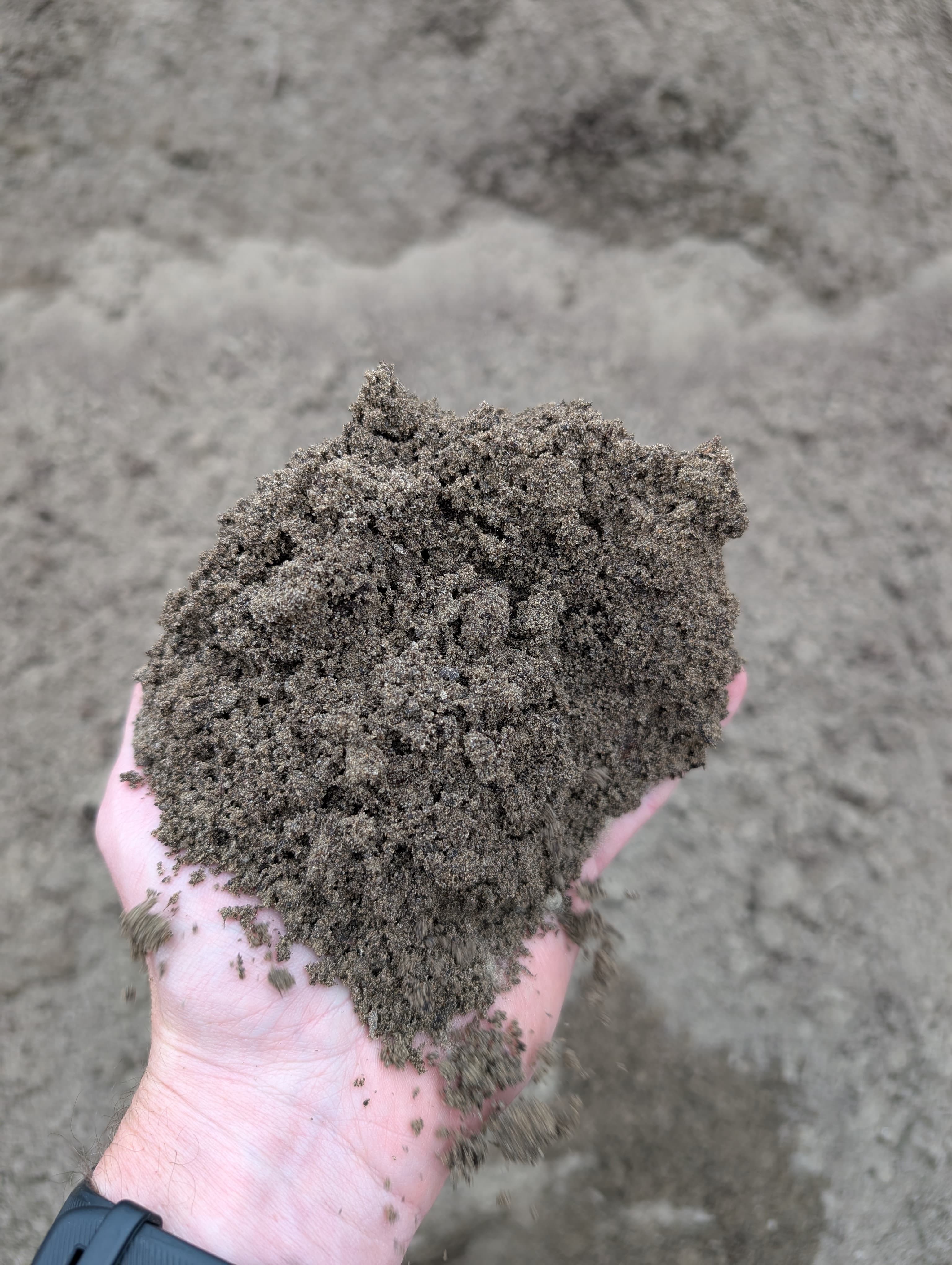
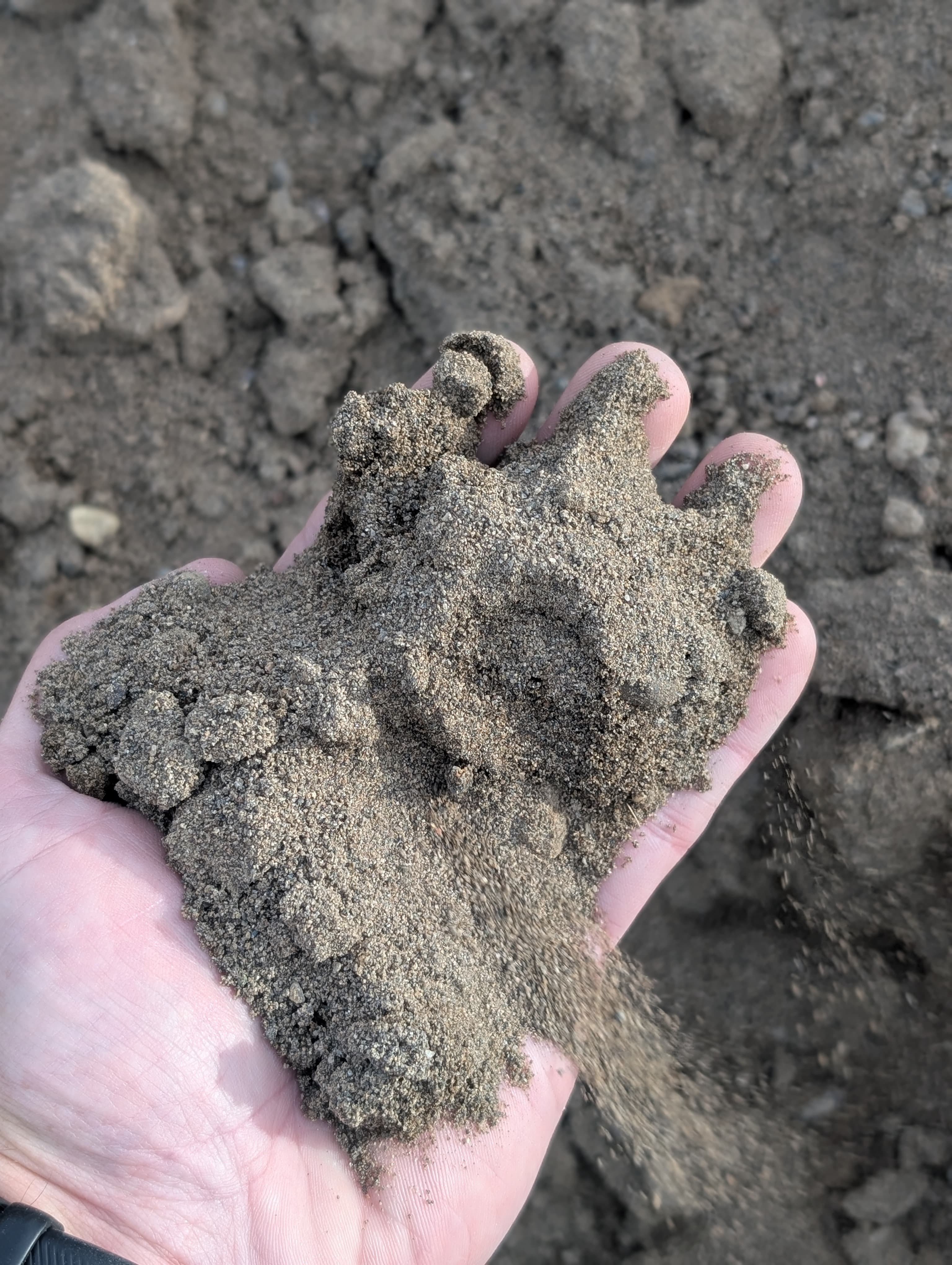
Grass wants a lean, sandy soil rather than a rich one. Under 3 inches and the lawn dries out every July because there is nowhere for roots to go. Over 6 inches and you are buying depth the grass will never use.
A 1,000 square foot lawn at 4 inches is about 12.3 cubic yards, or 13.5 with the allowance. That is delivery territory, not a pickup job.
If the area has to come up more than about 6 inches, split it: Sandy Fill for the depth, lawn soil for the top. Only the top few inches grow anything. Best soil for a new lawn goes through the preparation properly.
New Sod
Same soil and the same 4 to 6 inches. What changes is the finish.
Sod is laid on a graded, raked, lightly firmed surface, and every lump or hollow under it shows through as a bump or a dip you cannot fix afterwards. Seed is more forgiving because you rake and roll after spreading it; sod is not, because it goes down in one pass.
The inch of soil attached to the sod is not the growing depth. Sod laid on hard subsoil roots into nothing and dies in its first dry August.
Topdressing an Existing Lawn
A quarter to a half inch per pass, and never more than that.
Topdressing is levelling and feeding, not rebuilding. Bury living grass under an inch of soil and you smother it.
Use a fine screened soil for this. Garden Soil Mix works as a light topdressing; Lawn Soil Mix is built to be spread thick under new grass rather than sifted thin over old grass.
A 1,000 square foot lawn at a half inch is about 1.5 cubic yards. If the lawn needs more levelling than that, do it in two passes a season apart.
A New In-Ground Garden Bed
10 to 12 inches of good soil.
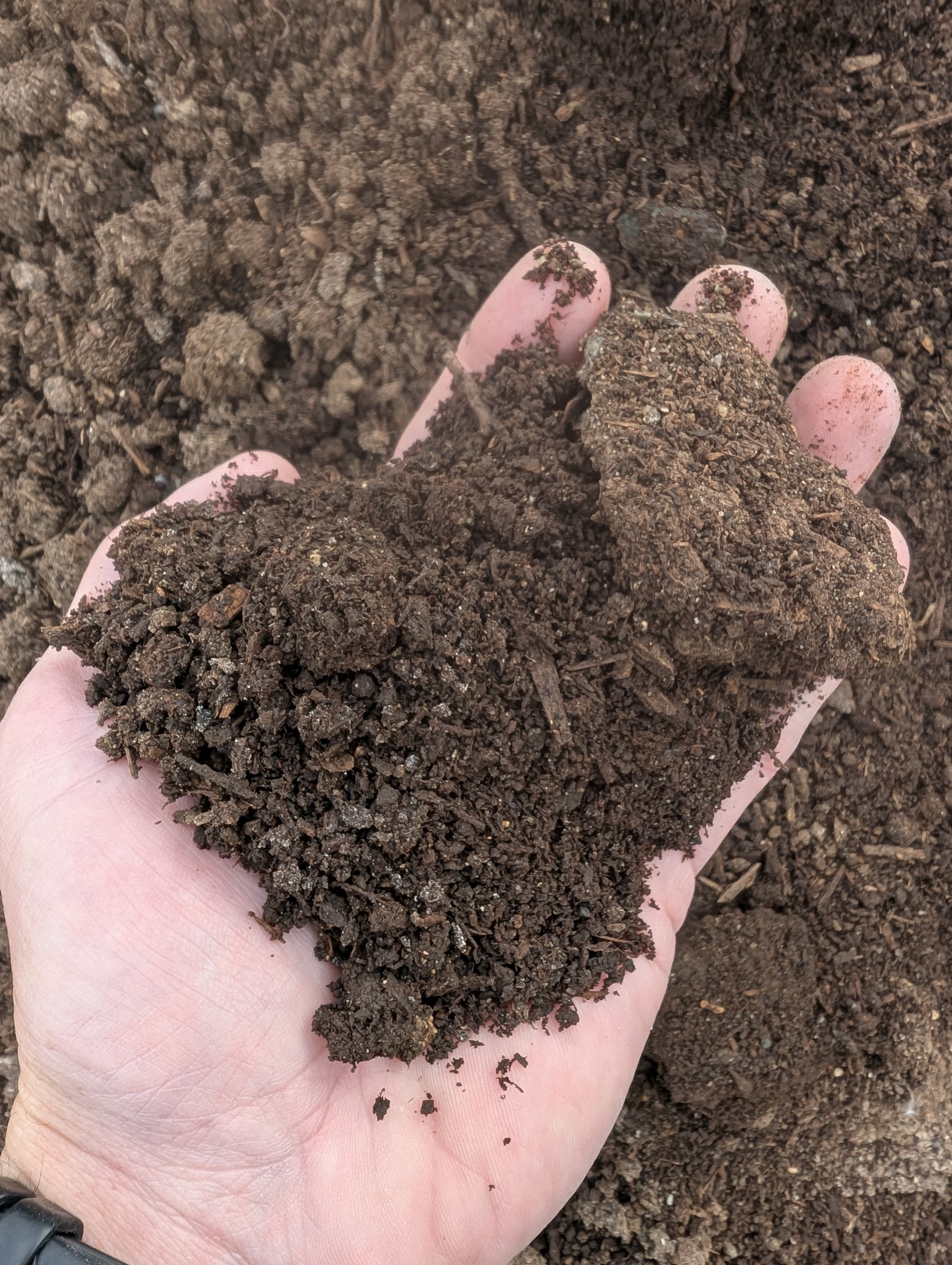
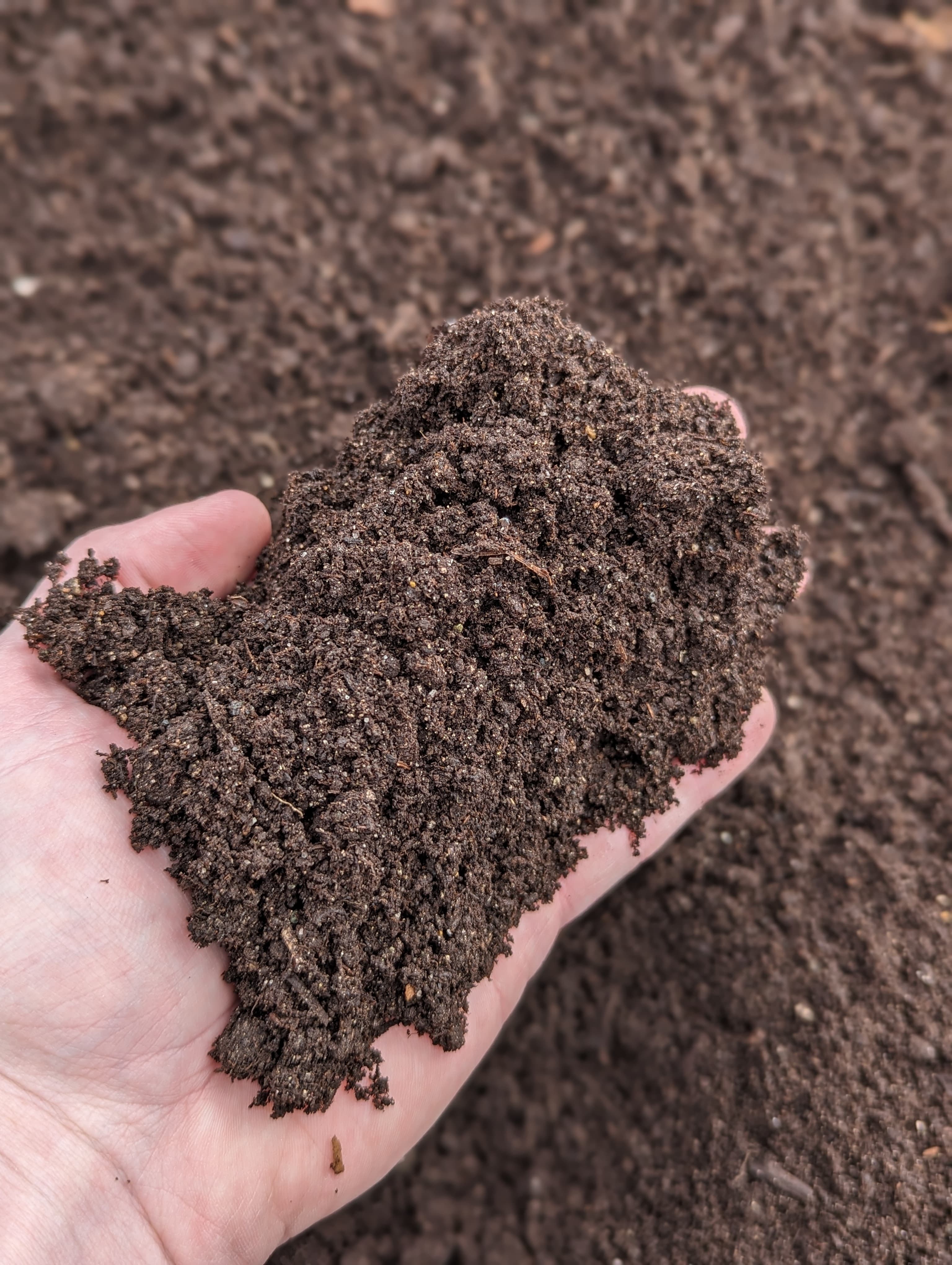
You do not have to remove what is there. Loosen the native soil, then work Garden Soil Mix into the top 10 to 12 inches. Roots go deeper than that when they need to, and the layer you build is where the work happens.
A 250 square foot bed at 12 inches is 9.3 cubic yards, which surprises people. Beds are deeper than lawns, so they use more soil than their size suggests.
A Raised Bed
10 to 12 inches of Garden Soil Mix, measured inside the frame.
A 4 by 8 foot bed at 12 inches is 1.2 cubic yards. How much soil for a raised bed has the full table by bed size, plus what not to fill one with.
A Tall Planter or a Deep Frame
A waist-height bed can be 24 or 30 inches deep, and the plants use the top foot of it.
Fill the bottom with Sandy Fill and keep a full 12 inches of growing soil on top. On a 4 by 8 bed at 30 inches, that turns 2.9 yards of garden soil into 1.2 yards of garden soil and 1.7 of fill, for the same crop.
The one rule: do not skimp on the 12 inches. That is where the trick stops working.
Refreshing a Bed That Is Already Full
1 to 2 inches worked into the surface.
Established beds lose an inch or two a year as organic matter breaks down. That is the system working. You are topping up, not refilling.
A 200 square foot bed at 2 inches is 1.2 cubic yards, and mushroom manure mixed through it is the cheaper way to bring a tired bed back than replacing the soil. What is mushroom manure covers the ratio.
Which Soil for Which Job
| Product | What it is for |
|---|---|
| Garden Soil Mix | Beds, borders, vegetables, planters, light topdressing |
| Lawn Soil Mix | Under seed and under sod, a leaner blend on purpose |
| Sandy Loam Lawn Soil | Larger lawn areas and general grading where the finish is grass |
| Mushroom Manure | An amendment mixed into soil, never the soil itself |
| Sandy Fill | Depth and grade. Nothing is planted directly into it |
Garden soil vs topsoil vs triple mix goes through the differences in detail, including why "topsoil" and "triple mix" tell you almost nothing about what is in the pile.
The Four Expensive Mistakes
- Filling a deep planter with premium garden soil. Only the top foot grows. Everything below it is structure, and structure is what fill is for.
- Using straight compost as the growing medium. Too rich for seedlings, holds too much water, and it collapses to a fraction of its depth as it finishes breaking down. Compost is an ingredient.
- Putting rich garden soil under a lawn. It grows lush, shallow-rooted grass that browns the first week nobody waters it, and it stays wet in spring.
- Forgetting the settling allowance. A second small order to finish one bed costs more than the soil in it.
Getting the Amount
Measure, pick the depth from the project above, and run it through the soil calculator or the raised bed calculator. Then take the number to the estimator with your address for the complete price, delivery and tax included.
Under about two yards, picking it up is usually the cheaper way. Past three, delivery generally wins once you count the trips. Delivered or picked up has the honest comparison, and what fits in your vehicle is worth a look first, because a cubic yard of wet soil is heavier than most people expect.
Bottom line: square feet, times depth in inches, divided by 324, plus 10 percent. Lawns 4 to 6 inches, beds 10 to 12, topdressing half an inch, and cheap fill under anything deep.