
Free tool
Soil Calculator
Measure the bed or the lawn area, pick a depth, and this works out the cubic yards. Bulk soil is sold by the cubic yard, so this is the number you order with.
What are you working on?
Choose the shape that best matches your area.
Enter your measurements
Use feet or metres. We’ll do the math.
How deep do you want it?
Common depths shown for each material.
Choose your material
Select a material to see product-specific recommendations.
Bulk soil is screened and airy when it is delivered, and it settles once it is watered in. We add 10 percent so the finished level is the one you measured for.
Also need fabric?
Landscape fabric goes under the rock, and it is measured differently
Fabric is sold by the linear foot off a roll, so the amount depends on the roll width and the overlap at the seams. The fabric calculator lays out the strips and gives you the length to order.
Quantity Help
Area and depth in, cubic yards out — settling allowance included.
Complete Pricing
Product, service, delivery and tax, before you order.
Delivered or Loaded
We bring it to you, or load your open pickup at the yard.
We Make It Right
If something goes wrong with the part we handle, we fix it.
Getting the depth right
- For a new lawn, 4 to 6 inches of soil gives grass roots somewhere to go. Less than 3 inches and the lawn dries out every summer.
- For a new garden bed, 12 inches is the usual working depth for vegetables and perennials.
- For topdressing an established lawn, stay under 1 inch per pass or you smother the grass.
The maths behind it
Length times width gives square feet. Multiply that by the depth in inches, then divide by 324. The answer is cubic yards. One cubic yard covers 324 square feet at 1 inch deep, or 100 square feet at about 3¼ inches deep.
The 324 comes from a cubic yard being 27 cubic feet, and 27 times 12 inches is 324. Nothing else is going on, which is why you can check this calculator against a tape measure and a phone.
Materials this suits
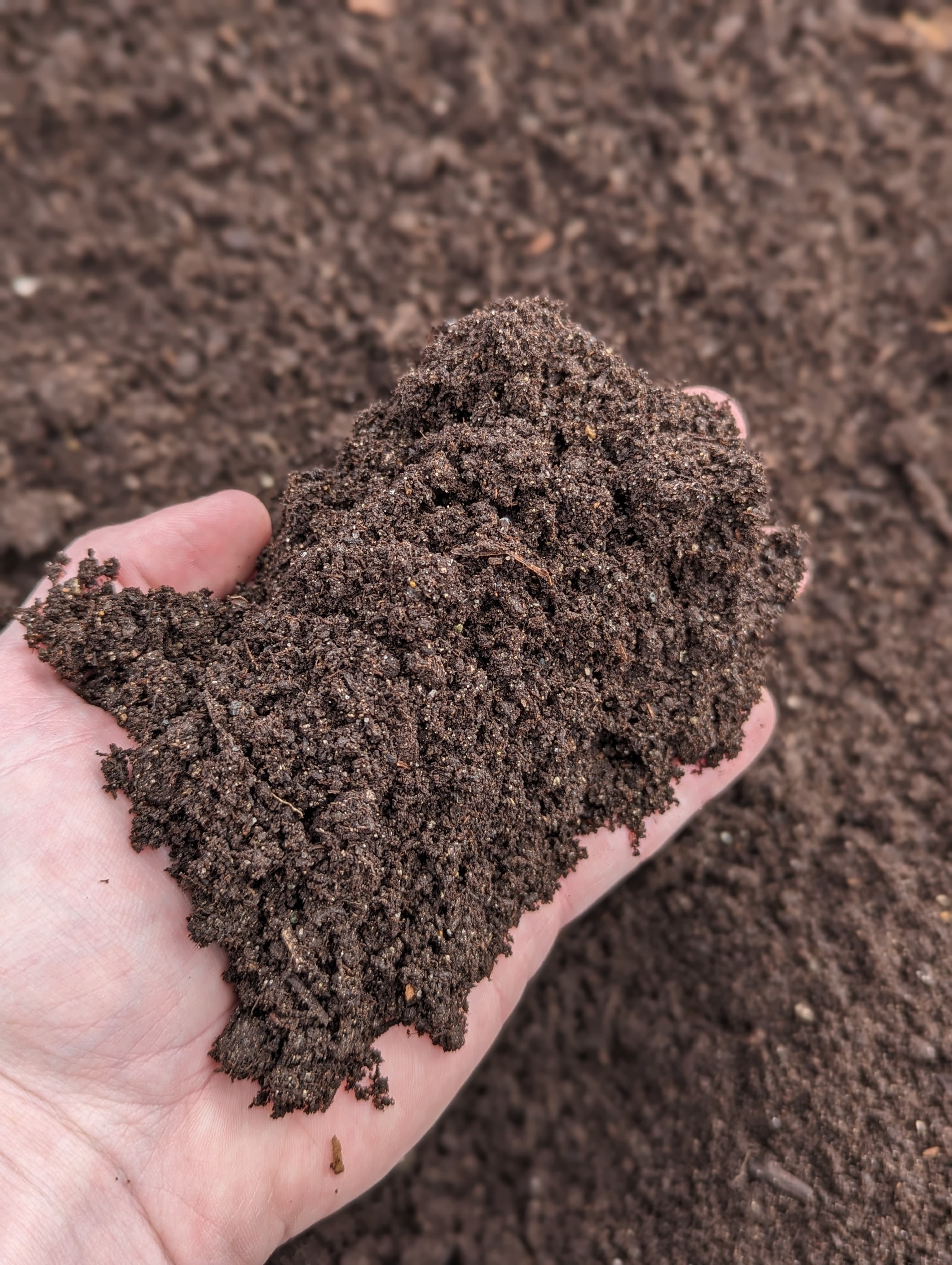
Garden Soil Mix
Ready-to-plant soil for gardens, beds, and planters
Get It Loaded · $113.99/yd³ + tax
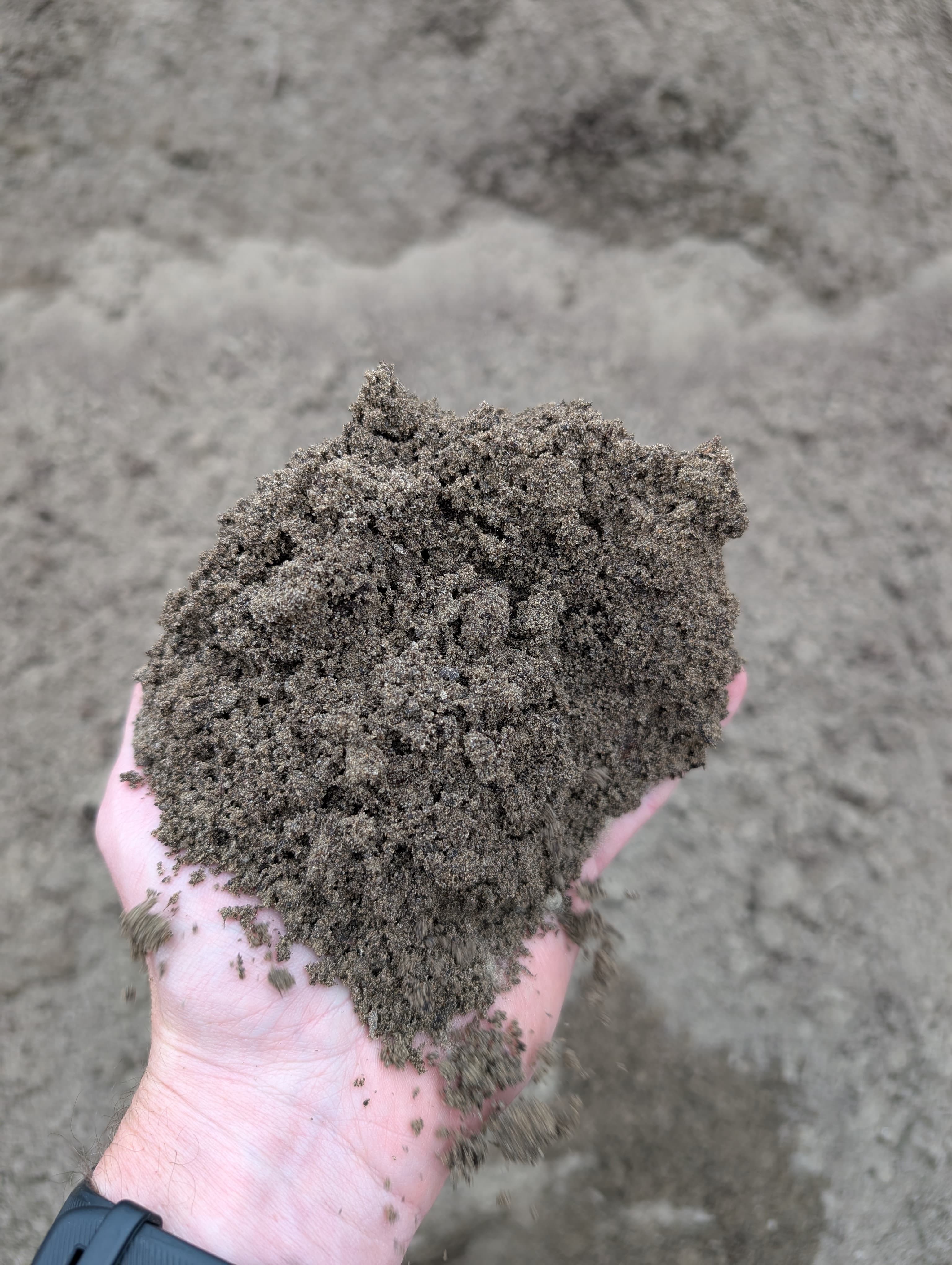
Lawn Soil Mix (50/50)
Balanced soil blend for new seed and sod
Get It Loaded · $74.99/yd³ + tax
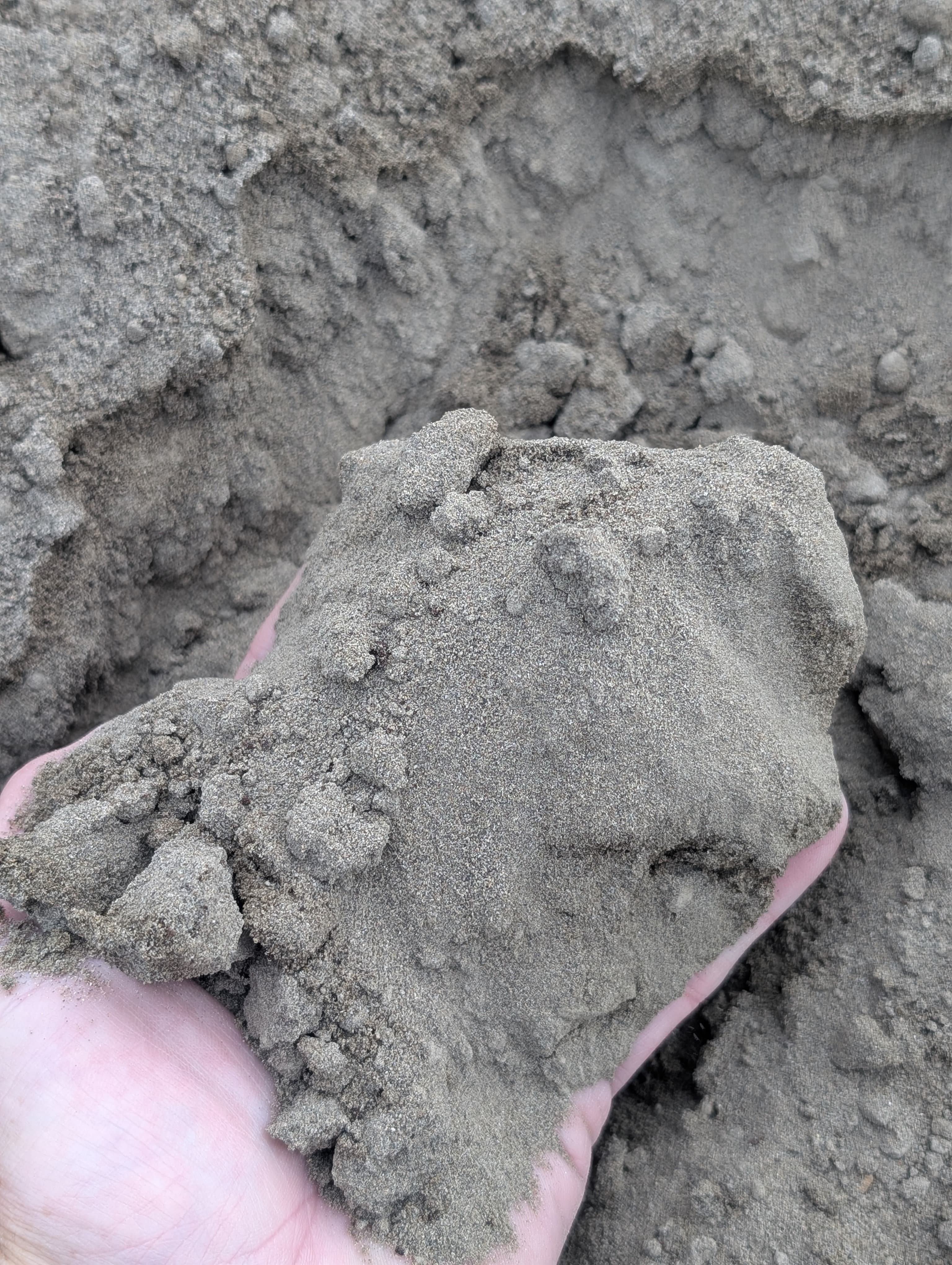
Sandy Loam Lawn Soil
Locally sourced sandy soil for lawns, seed, and sod
Get It Loaded · $49.99/yd³ + tax
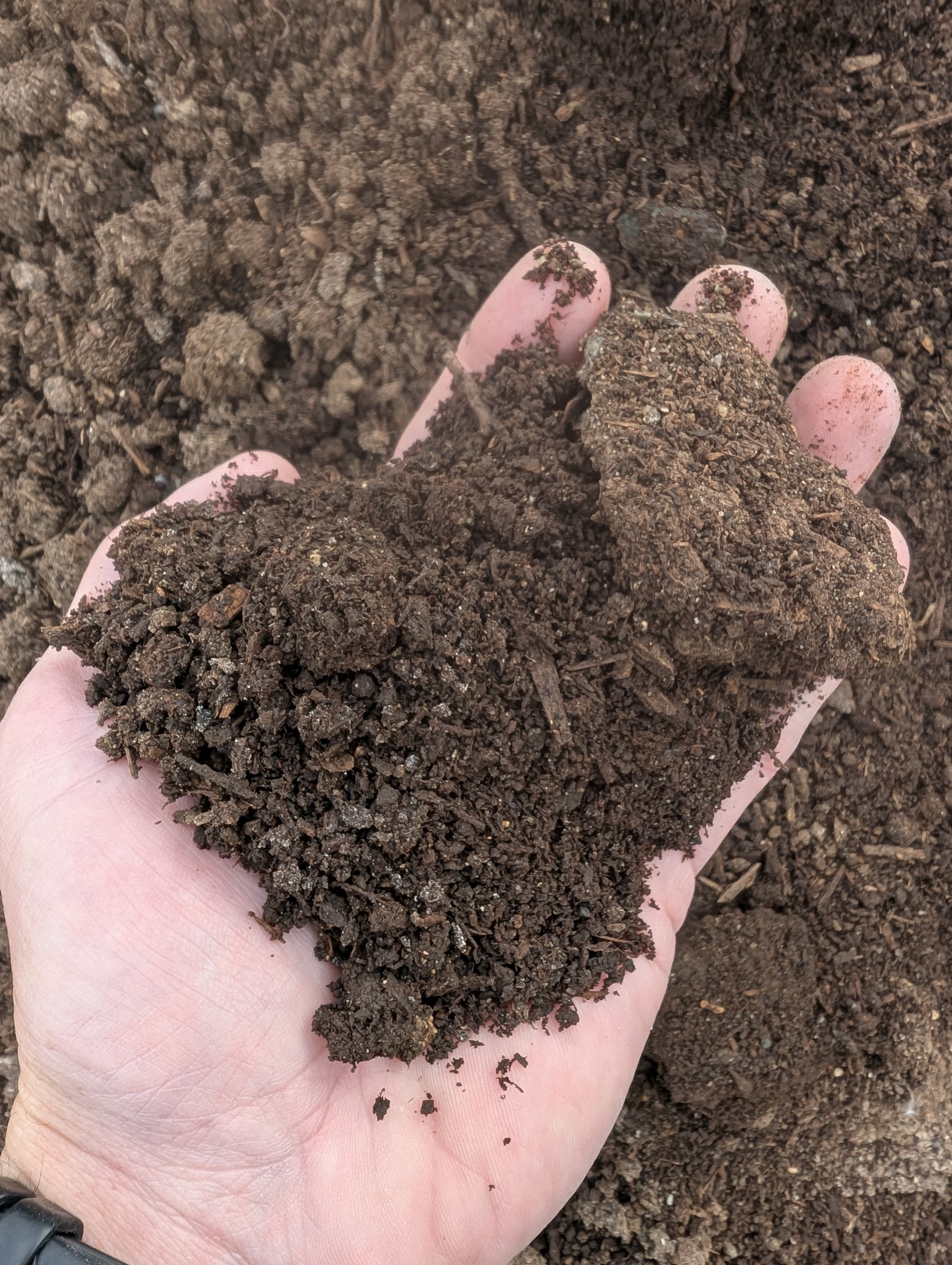
Mushroom Manure
Aged compost for richer, more workable garden soil
Get It Loaded · $141.99/yd³ + tax
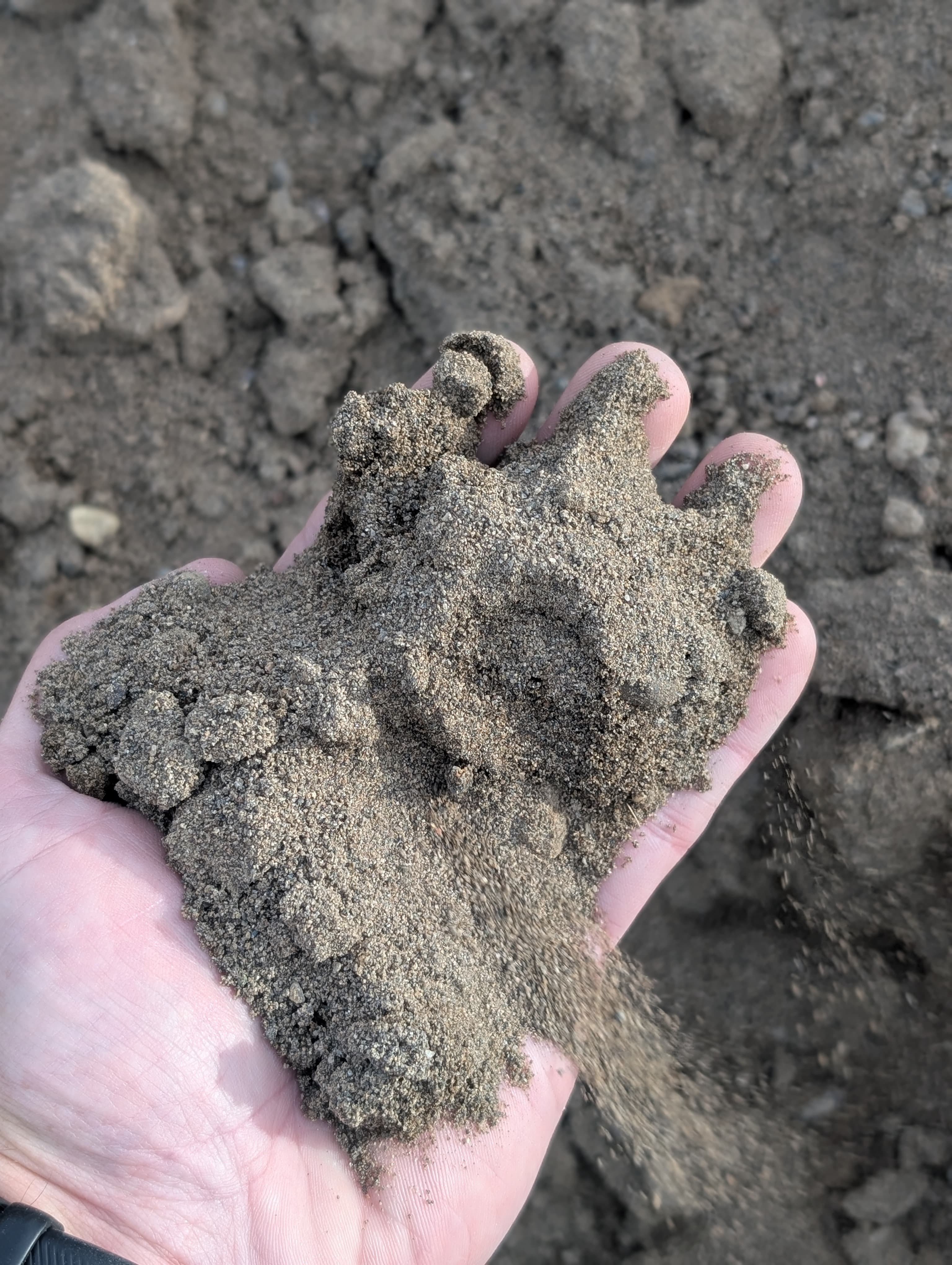
Sandy Fill
Economical sand and rock mix for deeper landscape fill
Get It Loaded · $14.99/yd³ + tax
Common questions
How much soil do I need?
Multiply the length by the width in feet, multiply that by the depth in inches, then divide by 324. A 20 by 30 foot lawn area at 4 inches deep works out to about 7.4 cubic yards, before the settling allowance.
How many cubic yards of soil are in a pickup truck load?
A half-ton pickup safely takes about 1 cubic yard of soil. Soil is heavy, so the box fills long before the truck is legal to drive. Our what-fits guide walks through it by vehicle.
What is the difference between garden soil and lawn soil?
Garden soil is a richer blend built for beds, planters, and anything you want to grow food or flowers in. Lawn soil is sandier, which is what grass roots and drainage want under sod or seed.
How much does a yard of soil cover?
One cubic yard covers about 160 square feet at 2 inches deep, about 80 square feet at 4 inches deep, and about 27 square feet at 12 inches deep.