The Amounts, for Common Bed Sizes
Measure the inside of the frame, not the outside. On a bed built from 2 by 10 lumber that is an inch and a half of difference on each side, which is small on one bed and adds up across six.
| Bed size | 8 inches deep | 10 inches deep | 12 inches deep |
|---|---|---|---|
| 4 by 4 ft | 0.4 yd³ | 0.5 yd³ | 0.6 yd³ |
| 4 by 8 ft | 0.8 yd³ | 1.0 yd³ | 1.2 yd³ |
| 4 by 12 ft | 1.2 yd³ | 1.5 yd³ | 1.8 yd³ |
| 3 by 6 ft | 0.4 yd³ | 0.6 yd³ | 0.7 yd³ |
| 5 by 10 ft | 1.2 yd³ | 1.5 yd³ | 1.9 yd³ |
Add about 10 percent to any of these. Fresh bulk soil is airy when it arrives and drops noticeably once it has been watered in, and topping the beds up two weeks later is a nuisance.
For any size not on that list, the raised bed calculator totals as many beds as you have.
How Deep Does It Need to Be?
Ten to twelve inches of good soil grows almost everything a home garden puts in a bed.
- 8 inches is fine for salad greens, herbs, and most annual flowers.
- 10 to 12 inches suits mixed vegetables, and is the sensible default.
- 12 inches or more for carrots, parsnips, and potatoes, which want the room.
If the bed sits on open ground rather than on a deck or a patio, roots go deeper than the frame when they need to, so the frame height is a minimum rather than a ceiling.
Filling a Tall Frame Without Overpaying
A waist-height bed can be 24 or 30 inches deep. Filling all of that with garden soil costs several times what the bed needs to cost, and the plants only use the top foot.
Fill the bottom portion with something coarse and inert, then put 12 inches of good soil on top. Options for the bottom, in order of preference:
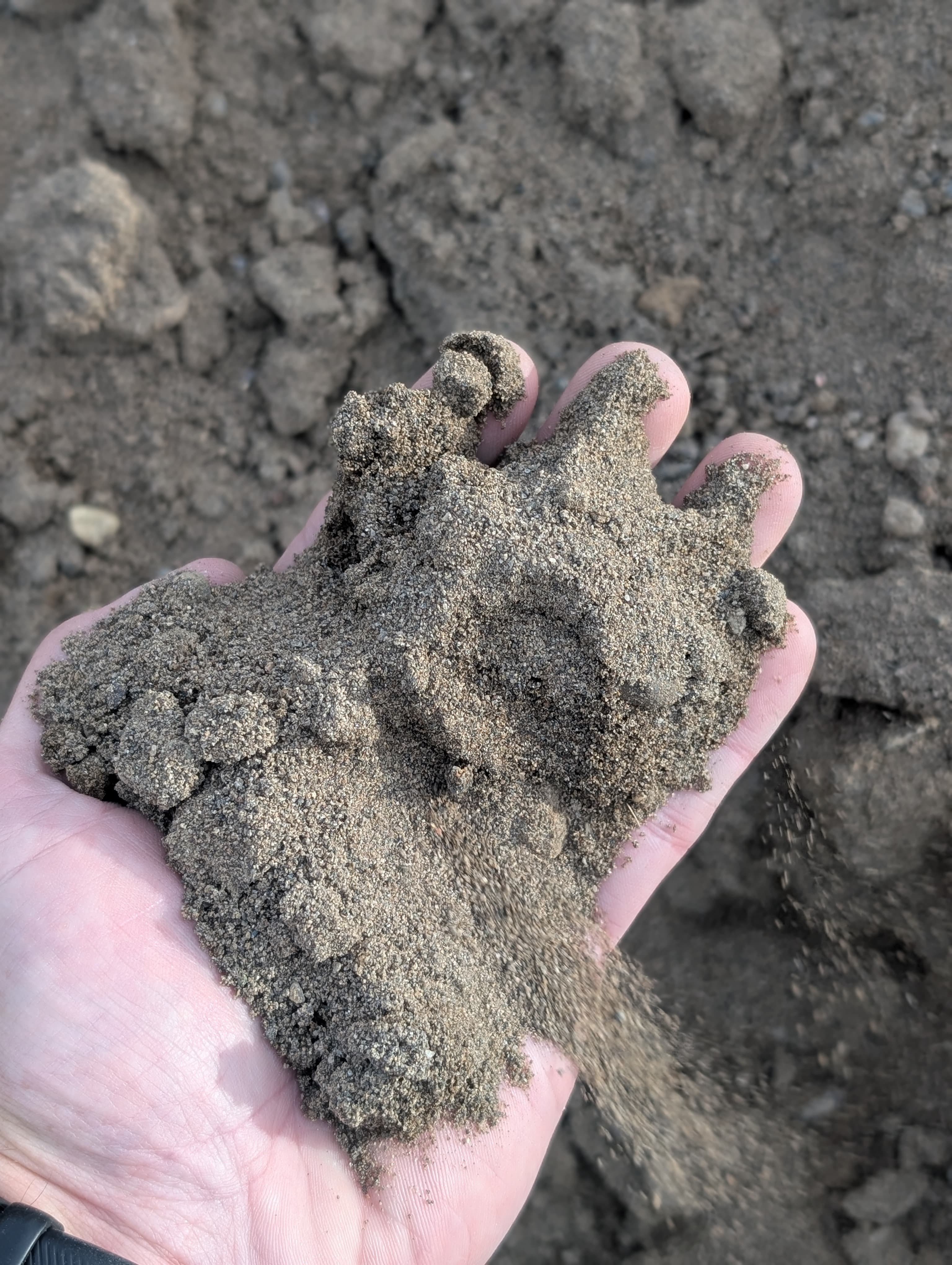
- [Sandy Fill](/products/sandy-fill). Cheap, stable, drains, does not rot or settle unevenly.
- Branches, logs, and coarse woody material. The hügelkultur approach. It works, and it holds water well once it has broken down, but be ready for the bed to sink over the first two or three seasons as it does.
- Not garbage, plastic, or treated wood. It ends up in the soil you grow food in.
Keep the good soil layer a full 12 inches. Skimping there is where this trick goes wrong.
What to Fill It With
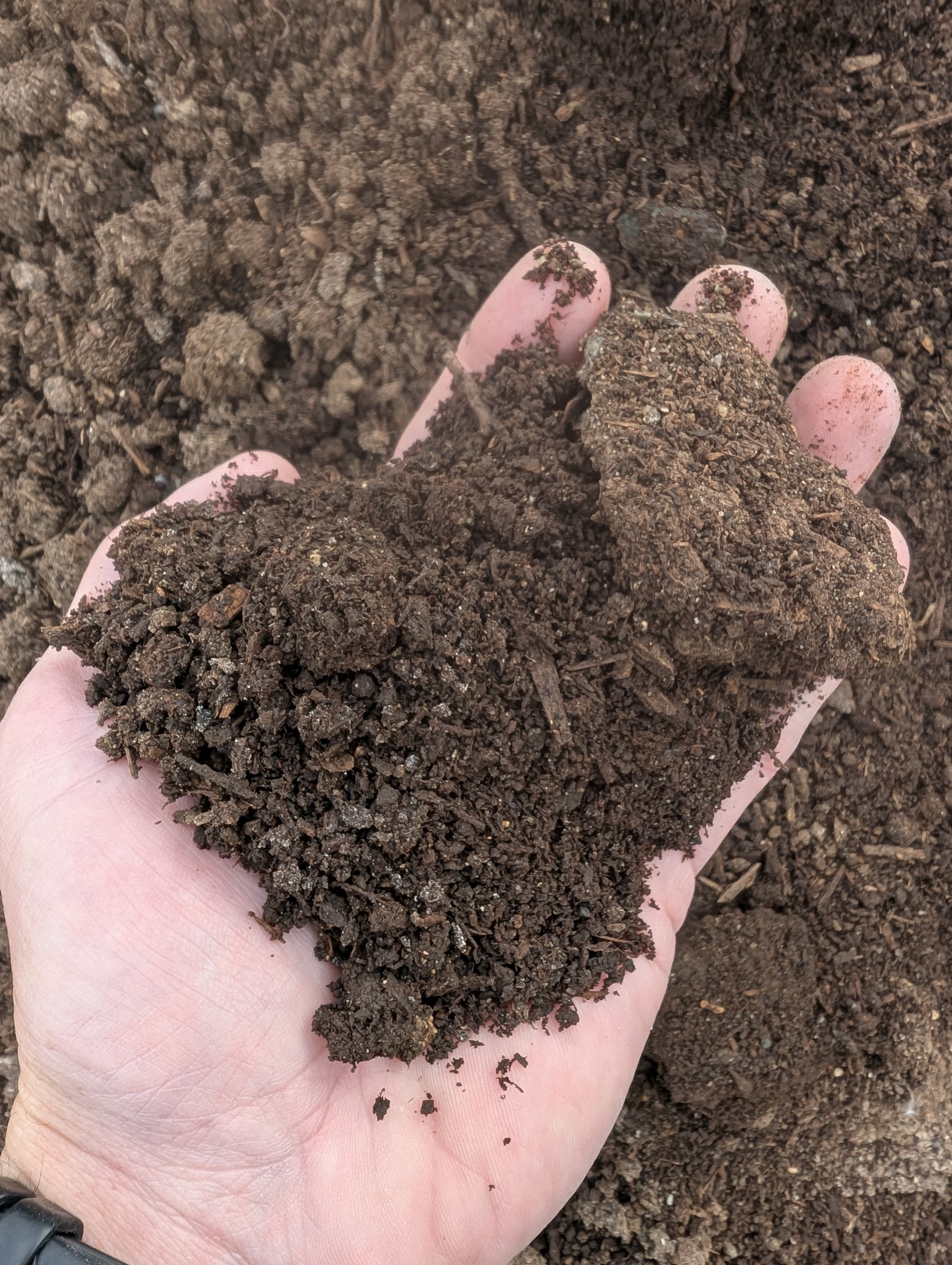
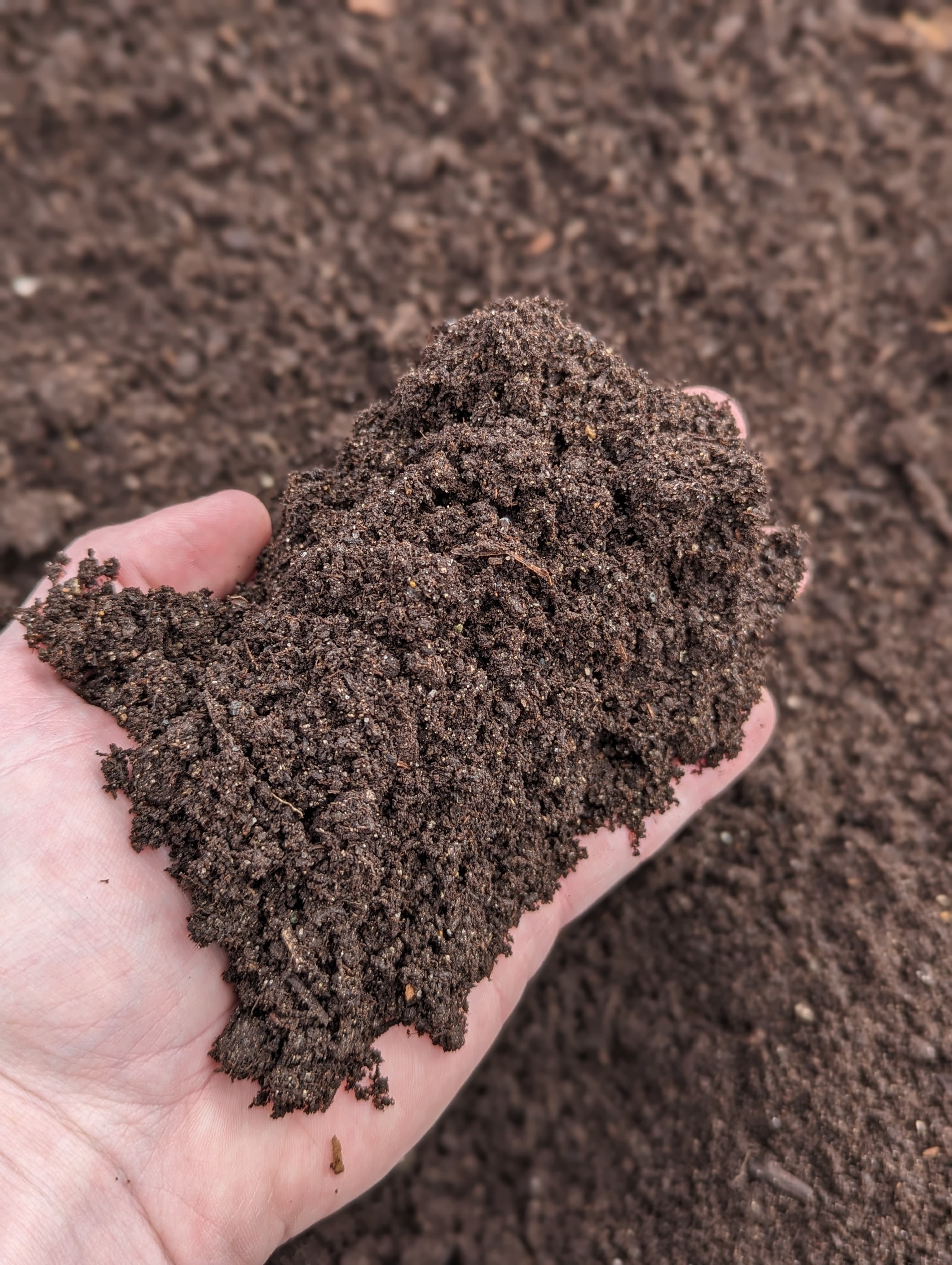
[Garden Soil Mix](/products/garden-soil-mix) for the body of the bed. It is built for growing, and it is the right texture to hold water without turning into a swamp.
[Mushroom manure](/products/mushroom-manure) mixed through the top third, if you want to enrich it. Roughly one part compost to three parts soil is a sensible ratio for a new bed.
What not to fill it with:
- Straight compost, including mushroom manure. Too rich, holds too much water, and it collapses as it breaks down. It is an amendment, not a growing medium. What is mushroom manure covers how to use it properly.
- Lawn soil or sandy loam. Built lean for grass. Vegetables will be hungry all season.
- Soil dug from the yard. It brings the weed seed bank with it, which is one of the things a raised bed exists to escape.
Bulk or Bags?
One cubic yard is 27 cubic feet of soil. Past a bed or two, bulk is both less money and less carrying.
The honest trade-off is that bulk arrives as a pile in your driveway and you move it with a wheelbarrow. For a single small bed, bags are simpler. For three or more, bulk is not close.
Small amounts are available for pickup, so a couple of beds does not mean buying a truckload. Delivery or pickup covers which way makes sense.
Topping Up Each Spring
Beds drop an inch or two a year as organic matter breaks down. That is the system working, not a failure.
Top up each spring with an inch or two of garden soil or compost worked into the surface. A 4 by 8 bed needs about 0.1 to 0.2 cubic yards for that, which is why most people top up several beds from one small order.
Bottom line: measure inside the frame, 10 to 12 inches of garden soil, cheap fill underneath if the frame is tall, and add 10 percent for settling.