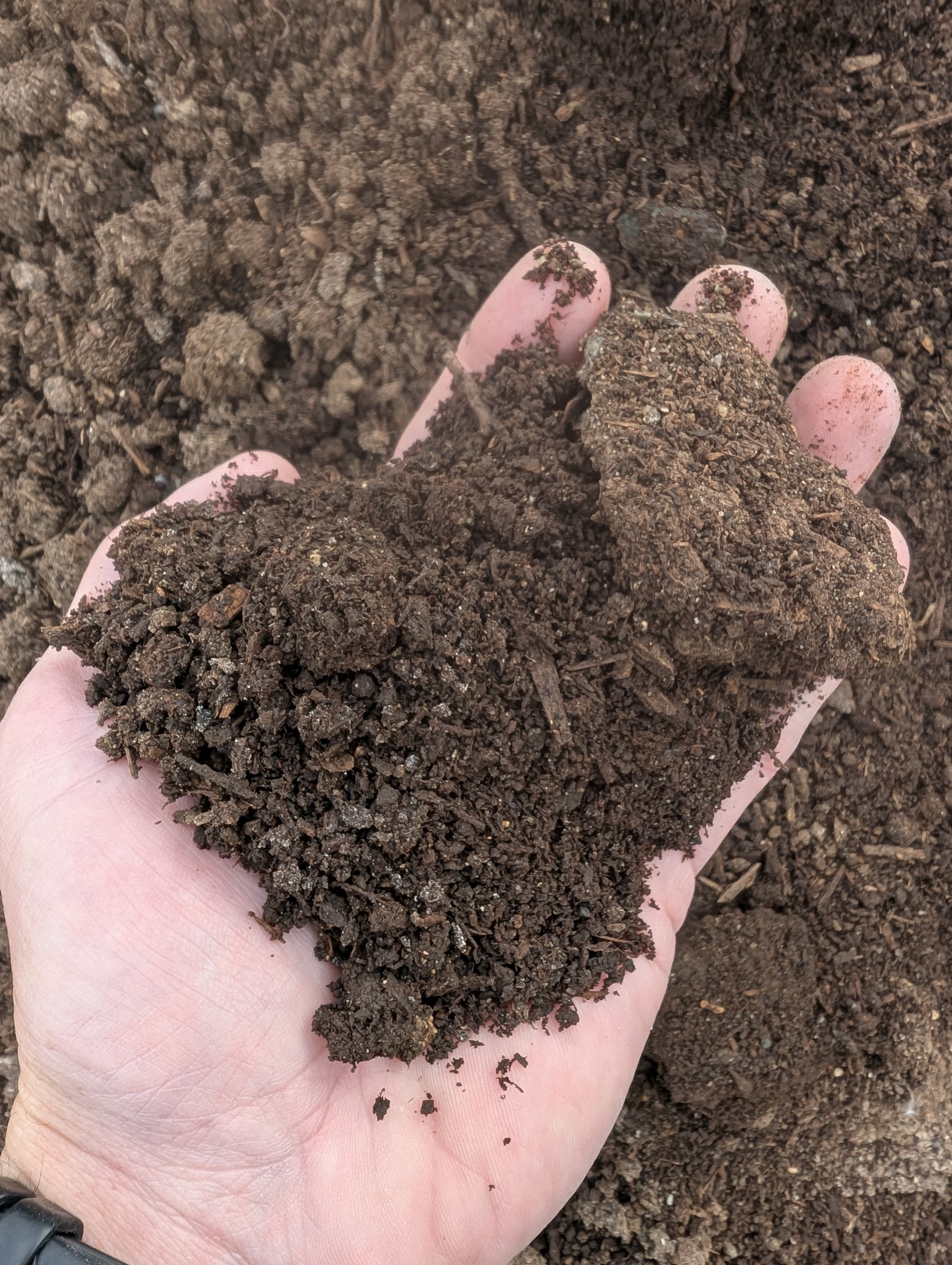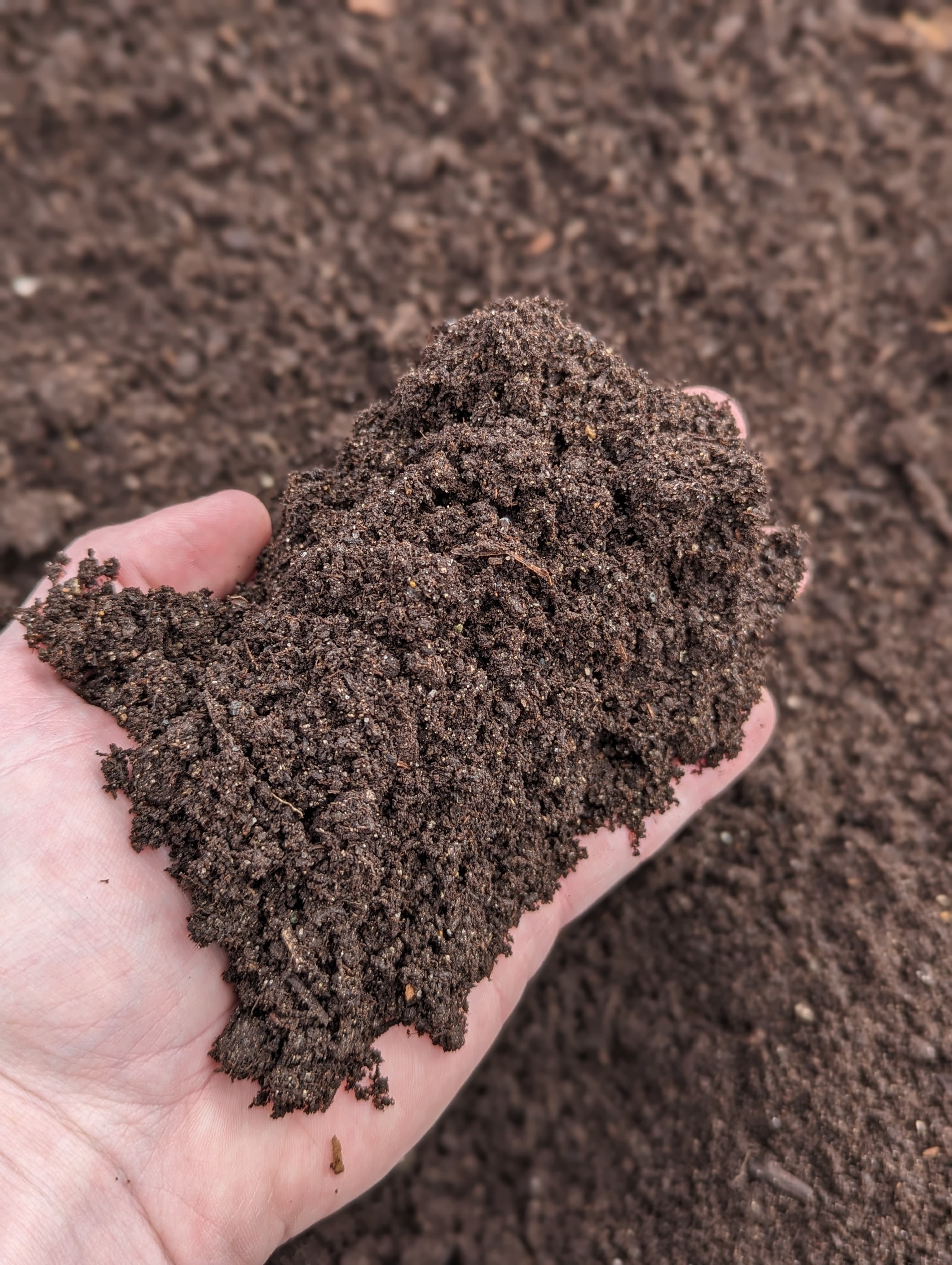
What It Actually Is
Mushroom manure, sometimes called spent mushroom compost or spent mushroom substrate, is the growing medium left over after a commercial mushroom crop is finished.
Mushroom growers build a compost from straw, manure, and gypsum, pasteurise it, grow a crop in it, and then have to do something with it. What they have at the end is a well-composted, thoroughly broken-down organic material. That is what you are buying.
Two things worth knowing up front. There are no mushrooms in it, and it will not grow mushrooms in your garden. And despite the name, it is compost rather than raw manure, so it does not need to age before you use it.
Why Gardeners Like It
It adds organic matter, which is what most tired soil is short of. Beds that have been growing vegetables for a few years lose structure and hold water badly. Compost is the fix, and this is compost at a bulk price.
It improves both heavy and light soil. In clay it opens the structure up so water and roots can move. In sand it gives the soil something to hold water with. That is the useful trick of organic matter: it fixes opposite problems.
It feeds slowly. Nutrients come out as the material breaks down rather than all at once, so there is much less risk of burning plants than with a fertiliser.
It is already broken down. Unlike fresh manure, it will not rob nitrogen from your soil while it decomposes, and there is no waiting period before planting.
How to Use It
In an established vegetable bed: spread 1 to 2 inches over the surface and work it into the top 6 inches, in spring before planting or in fall after clearing.
In a new bed: mix roughly one part mushroom manure to three parts Garden Soil Mix. That gives a rich bed without the problems of a bed made of pure compost.
Around established plants: a thin layer, half an inch to an inch, as a topdressing. Keep it back from stems and trunks.
In heavy clay: work 2 to 3 inches in as deep as you can manage, and repeat annually. Clay improves in seasons, not in one weekend.
What Not to Do With It
Do not fill a raised bed with it. This is the big one. Pure compost holds too much water, is too rich for seedlings, and collapses to a fraction of its depth as it finishes breaking down. Use it as a component, not as the soil. How much soil for a raised bed covers what to fill with instead.
Do not seed directly into a thick layer of it. Small seeds and seedlings do badly in strong compost. Work it in and let it settle first.
Do not pile it against young transplants. Same reason.
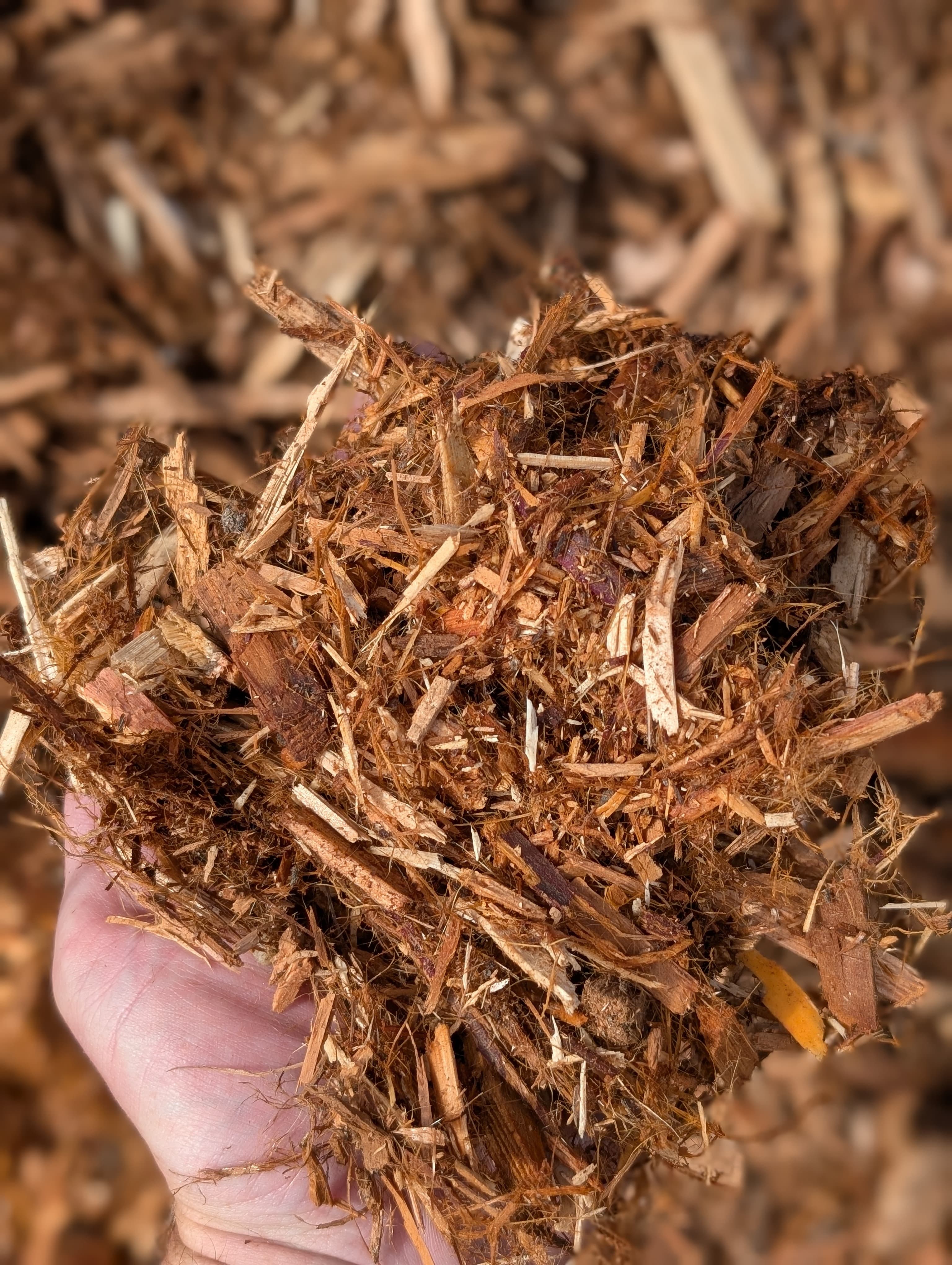
Do not use it around acid-loving plants. Mushroom compost is on the alkaline side and it carries salts from the gypsum used in production. Blueberries, rhododendrons, azaleas, and heathers will not thank you. Use a bark mulch or a peat-based amendment there instead.
Mushroom Manure vs Topsoil
They are not alternatives, they do different jobs.
Topsoil or a garden soil is a growing medium: the body of the bed, the thing that holds plants up. Mushroom manure is an amendment: the thing you add to a growing medium to improve it.
If you need to fill something, buy soil. If you need to improve something, buy compost. Most garden projects need some of both, and the usual ratio is a lot of soil and a bit of compost.
Is It Good for Vegetable Gardens?
Yes, and vegetable beds are where it earns its keep most obviously. Annual vegetables are hard on soil, and an annual addition of organic matter is the single most useful thing you can do for a productive bed.
The two cautions are the ones above: use it as an amendment rather than the whole bed, and keep it away from the acid-lovers. Within those, it is one of the better bulk amendments available here.
How Much to Buy
Coverage, at a 1 inch layer, is about 320 square feet per cubic yard. At 2 inches, about 160.
For a few raised beds, a half or one cubic yard usually covers a spring. For a whole vegetable garden getting a 2 inch dressing, measure the area and run it through the soil calculator.
Mushroom manure is sold by the cubic yard, with pickup available in small amounts, so improving two beds does not mean buying a truckload.
Bottom line: it is finished compost, not manure. Use it as an amendment at about a quarter of the mix, keep it off the blueberries, and never build a bed out of it.