The colour changes the whole bed
Picture the finished garden bed.
The plants are in place. The edges are clean. A layer of lava rock ties the whole area together without needing to be replaced each spring.
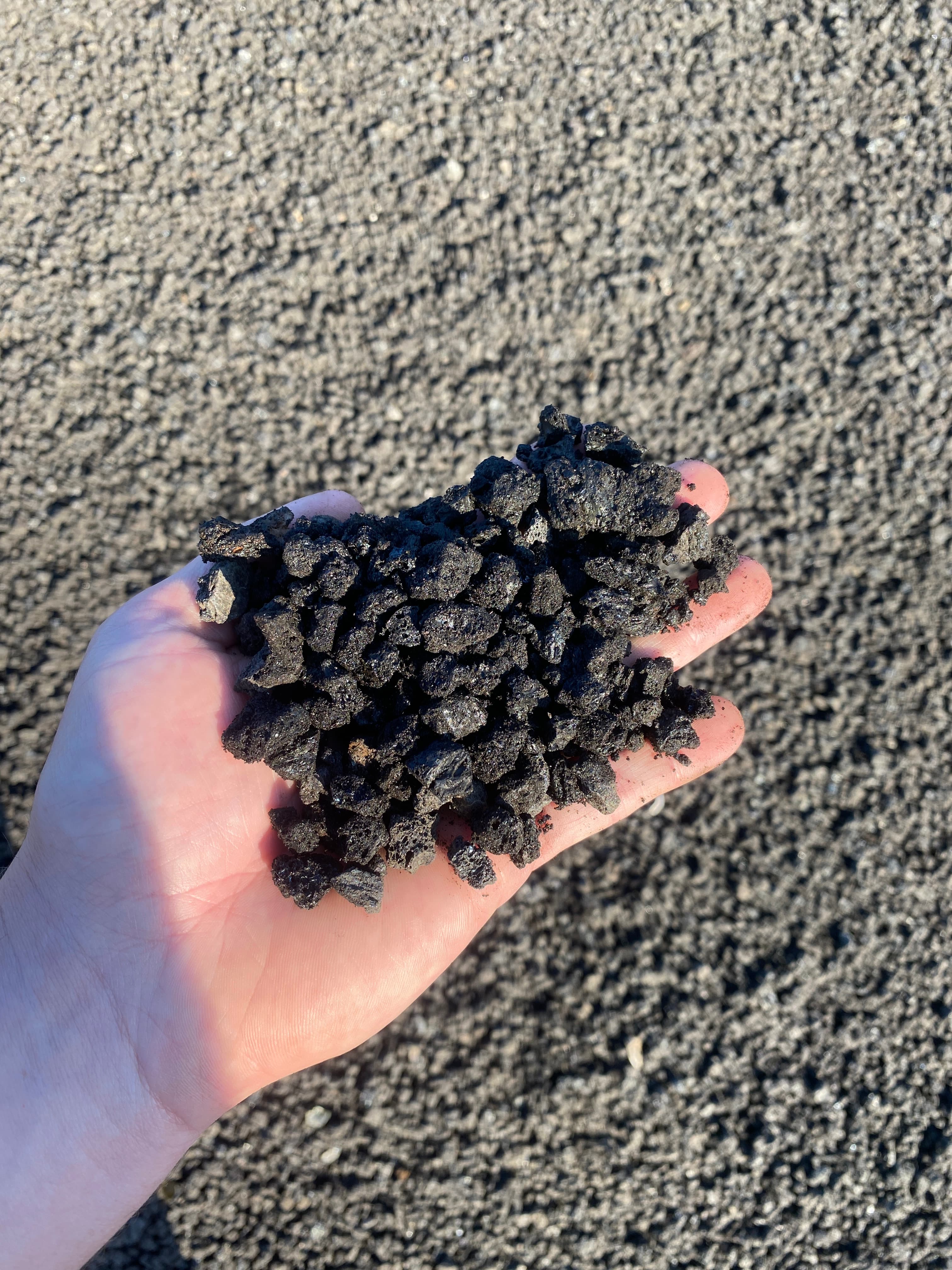
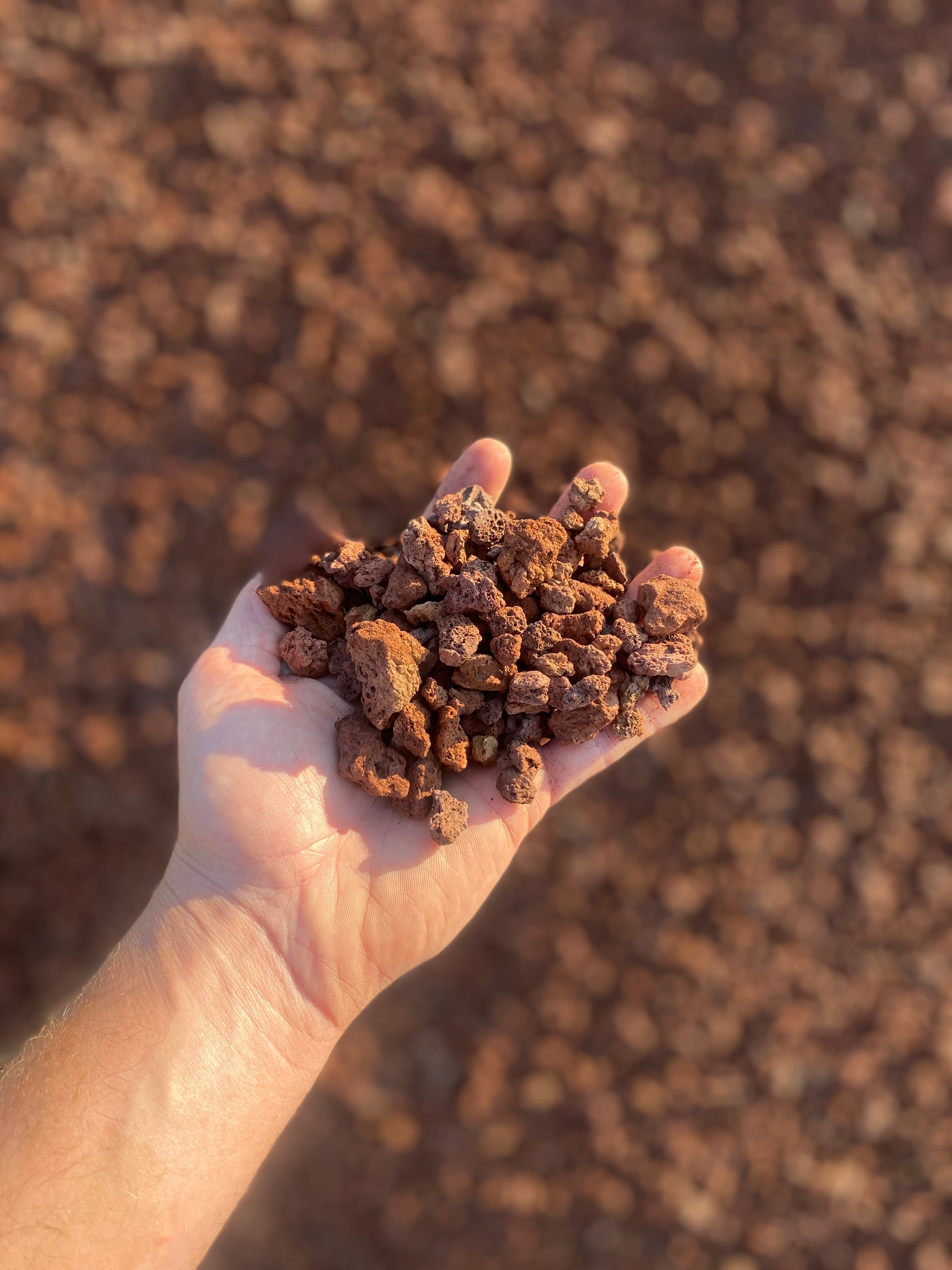
Black Lava Rock gives the bed a deep, sharp contrast. Red Lava Rock brings a warmer, more natural colour.
Both come from volcanic material near Nazko, BC. Both are light enough to spread without making the project harder than it needs to be.
The plants still get most of the credit. The rock gives them a better frame.
What Black and Red Lava Rock have in common
Get Gravel’s Black and Red Lava Rock are produced by CanLava from volcanic material found near the Nazko Cone area of British Columbia.
Both products are:
- Natural volcanic rock
- Lightweight compared with most decorative gravel
- Porous
- Used as decorative landscape cover
- Suitable for garden beds, planters, and accent areas
- Installed loose rather than compacted
- Available in long-lasting natural colours
CanLava says its LavaScape rock resists discolouring and deterioration. The supplier also says the porous material allows water to pass through and can help improve soil aeration when mixed into soil.
Those are supplier claims, not promises about how every finished landscape will perform.
Black Lava Rock
Black Lava Rock creates a deep, dark background around plants, stone, concrete, and light-coloured buildings.
Get Gravel’s Black Lava Rock is crushed and screened from 3/8 inch to 3/4 inch. It has no fines and should not be compacted.
CanLava identifies the black material as black scoria. The colour is deep black and looks even darker when wet.
Black Lava Rock works well for
- Garden and shrub beds
- Around trees
- Along foundations
- Modern landscape borders
- Planters and pots
- Water features
- Dry creek beds
- Commercial landscape beds
- Memorial and cemetery areas
Black is often the better choice when you want strong contrast. Green plants, pale stone, and concrete edges stand out clearly against it.
Red Lava Rock
Red Lava Rock gives a bed a warmer look. It works well with wood, brick, natural stone, evergreens, and earth-toned homes.
Get Gravel’s Red Lava Rock comes from the same Nazko source. It is screened from 3/8 inch to 1 inch.
CanLava identifies the red material as red basalt and sells the landscape colour as Sunrise Red.
Red Lava Rock works well for
- Garden and shrub beds
- Around trees
- Natural landscape borders
- Planters
- Dry creek beds
- Water features
- Rustic or earth-toned landscapes
- Commercial beds
- Memorial areas
Red is often the better choice when you want the rock to feel warm and natural rather than dark and sharp.
Black vs. red at a glance
| Feature | Black Lava Rock | Red Lava Rock |
|---|---|---|
| Main colour | Deep black | Warm volcanic red |
| Get Gravel size | 3/8 to 3/4 inch | 3/8 inch to 1 inch |
| Supplier material name | Black scoria | Red basalt |
| Appearance when wet | Becomes darker | Colour becomes richer |
| Strongest visual effect | Clear, deep contrast | Warm, natural colour |
| Good beside | Concrete, pale stone, green plants | Wood, brick, natural stone, evergreens |
| Compaction | Do not compact | Do not compact |
| Main purpose | Decorative ground cover | Decorative ground cover |
Which one is easier to install?
Both products are lightweight compared with regular decorative stone.
That makes them easier to move with a shovel, rake, bucket, or wheelbarrow. Their light weight also means edging matters.
Use a firm border where lava rock meets:
- Grass
- Pavement
- A walkway
- A slope
- An area cleared of snow
Black Lava Rock weighs approximately 1,500 pounds per cubic yard. The weight of Red Lava Rock has not been confirmed for the product page, so do not assume both products weigh exactly the same.
Does lava rock replace bark mulch?
Lava rock and bark mulch create different finished beds.
Bark mulch:
- Breaks down over time
- Adds organic material to the soil
- Usually needs regular topping up
- Creates a softer, more natural surface
Lava rock:
- Does not decompose like bark
- Keeps its shape and colour much longer
- Is fire-resistant as a natural rock
- Is lighter than most decorative gravel
- Costs more at the start
- Needs less regular replacement
The higher upfront cost buys a material that does not need to be replaced every year.
Do not place this small decorative lava rock inside a fire pit, burner, or direct-flame area unless the appliance maker approves it.
Where lava rock should not be used
Neither Black nor Red Lava Rock is a good choice for:
- Driveways
- Structural bases
- High-traffic paths
- Barefoot areas
- Children’s play areas
- Dog runs
- Paver joints
- Beneath patio stones
- Areas requiring compaction
- Fire-pit seating areas with regular foot traffic
- Areas regularly scraped with a snow shovel
Repeated walking and vehicle traffic can break down the porous pieces.
How deep should lava rock be?
Install Black or Red Lava Rock 2 to 4 inches deep.
- 2 inches: Basic decorative coverage
- 3 inches: A fuller finished bed
- 4 inches: Deeper coverage and stronger weed suppression
CanLava recommends a 2 to 4-inch layer over prepared soil.
Landscape fabric is recommended for most decorative beds. It keeps the rock separate from the soil and helps with weed control.
No landscape cover stops every weed. A seed can grow in almost anything if enough dust and leaves collect on top.
The simple choice
Choose Black Lava Rock when you want deep contrast and a clean, dark background.
Choose Red Lava Rock when you want warmth and a more natural volcanic colour.
The material works the same way. The main decision is the look you want to see when the job is done.
See both products, compare the complete price, and use the quantity calculator to work out the right amount.