
Free tool
Gravel Calculator
Measure the area, pick a depth, and this works out the cubic yards. Driveway gravel is sold and delivered by the cubic yard, so this is the number you order with.
What are you working on?
Choose the shape that best matches your area.
Enter your measurements
Use feet or metres. We’ll do the math.
How deep do you want it?
Common depths shown for each material.
Choose your material
Select a material to see product-specific recommendations.
Driveway gravel is meant to be compacted, and it loses volume when it is. We add 10 percent so you finish at the depth you measured for instead of a little short.
Also need fabric?
Landscape fabric goes under the rock, and it is measured differently
Fabric is sold by the linear foot off a roll, so the amount depends on the roll width and the overlap at the seams. The fabric calculator lays out the strips and gives you the length to order.
Quantity Help
Area and depth in, cubic yards out — settling allowance included.
Complete Pricing
Product, service, delivery and tax, before you order.
Delivered or Loaded
We bring it to you, or load your open pickup at the yard.
We Make It Right
If something goes wrong with the part we handle, we fix it.
Getting the depth right
- A driveway that is firm underfoot and only greasy on top usually needs 2 to 3 inches of fresh material, not a rebuild.
- A new driveway over soft native soil wants 4 to 6 inches of compacted base before any surface layer goes down.
- Deeper is not always better. Spread more than about 4 inches at once and the bottom of the lift never packs properly.
The maths behind it
Length times width gives square feet. Multiply that by the depth in inches, then divide by 324. The answer is cubic yards. One cubic yard covers 324 square feet at 1 inch deep, or 100 square feet at about 3¼ inches deep.
The 324 comes from a cubic yard being 27 cubic feet, and 27 times 12 inches is 324. Nothing else is going on, which is why you can check this calculator against a tape measure and a phone.
Materials this suits
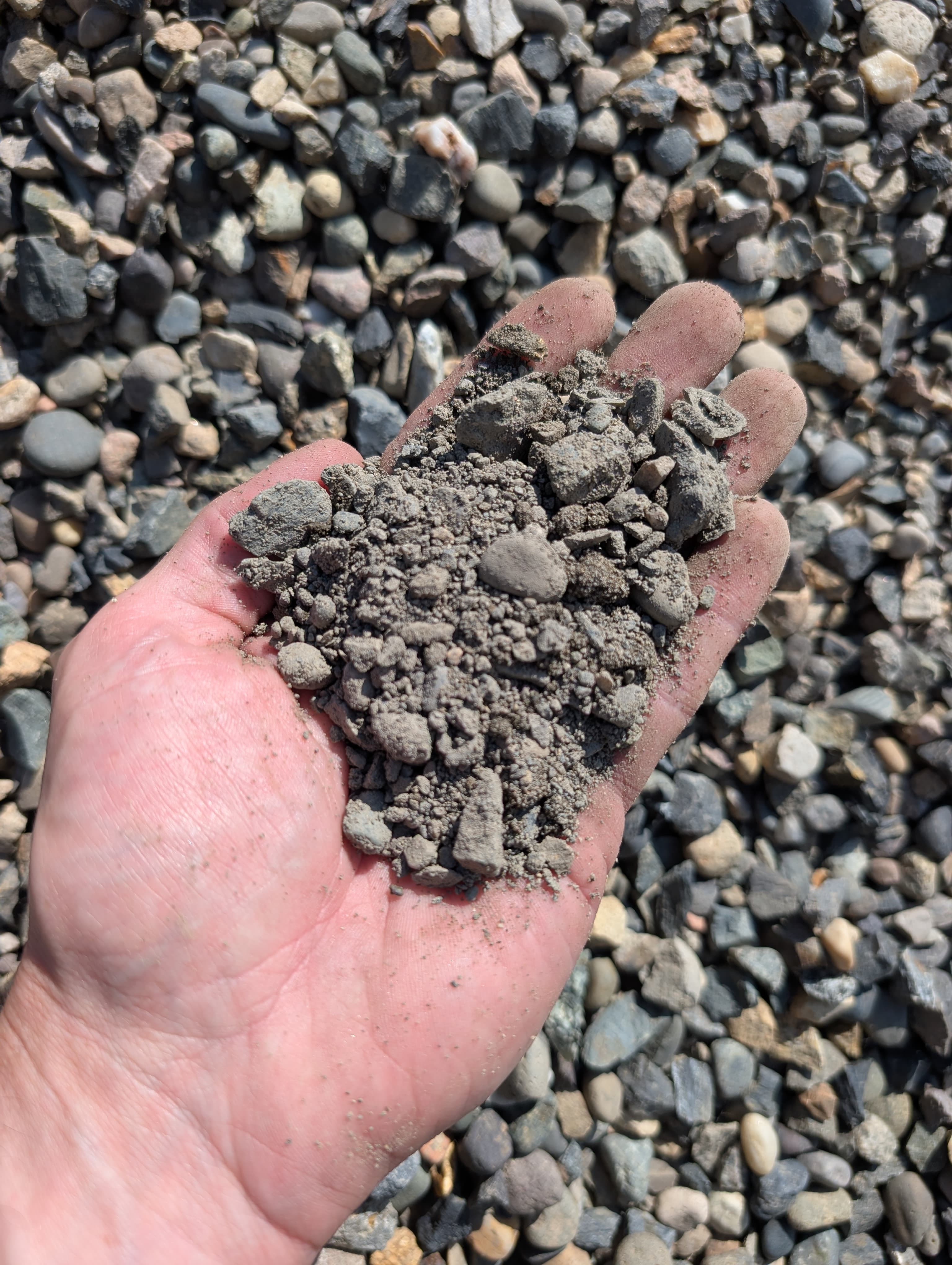
Road Crush 3/4" Minus
Practical gravel that compacts into a firm, durable base
Get It Loaded · $49.99/yd³ + tax
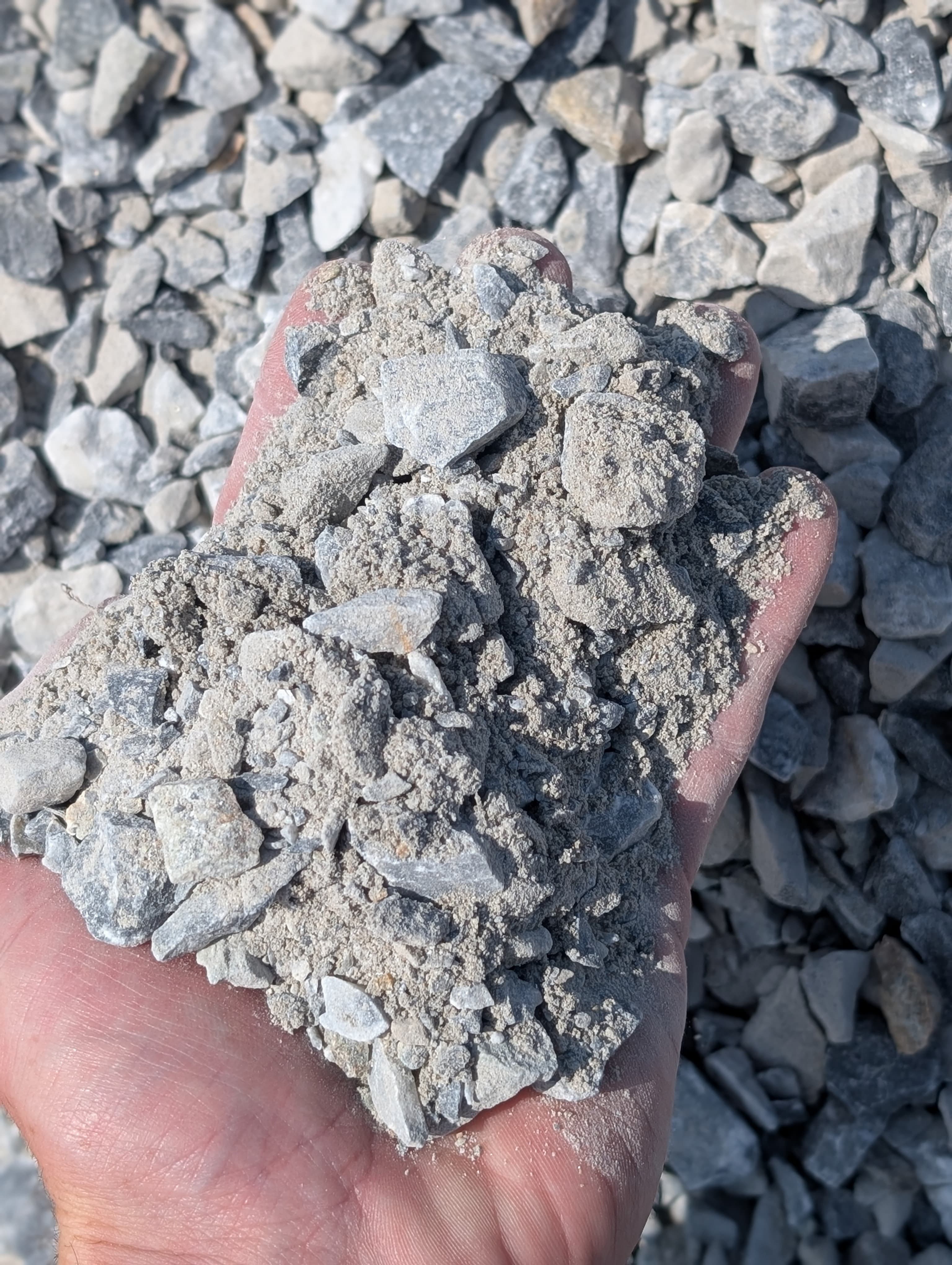
Limestone Driveway Gravel 3/4" Minus
White/grey limestone gravel that compacts into a firm surface
Get It Loaded · $69.99/yd³ + tax
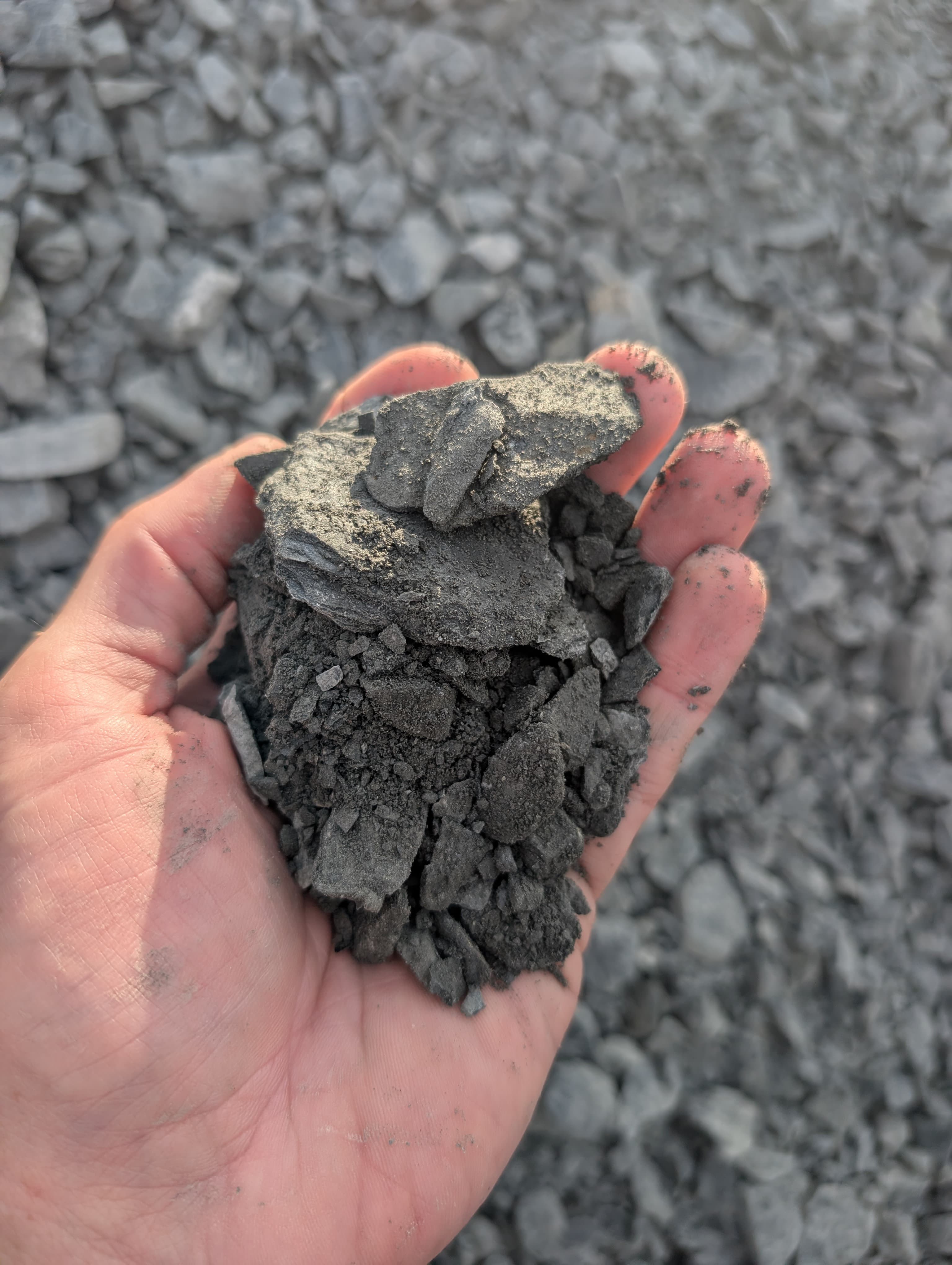
Striker Driveway Gravel
Dark blue-grey shale for a firm compacted driveway
Get It Loaded · $90.99/yd³ + tax
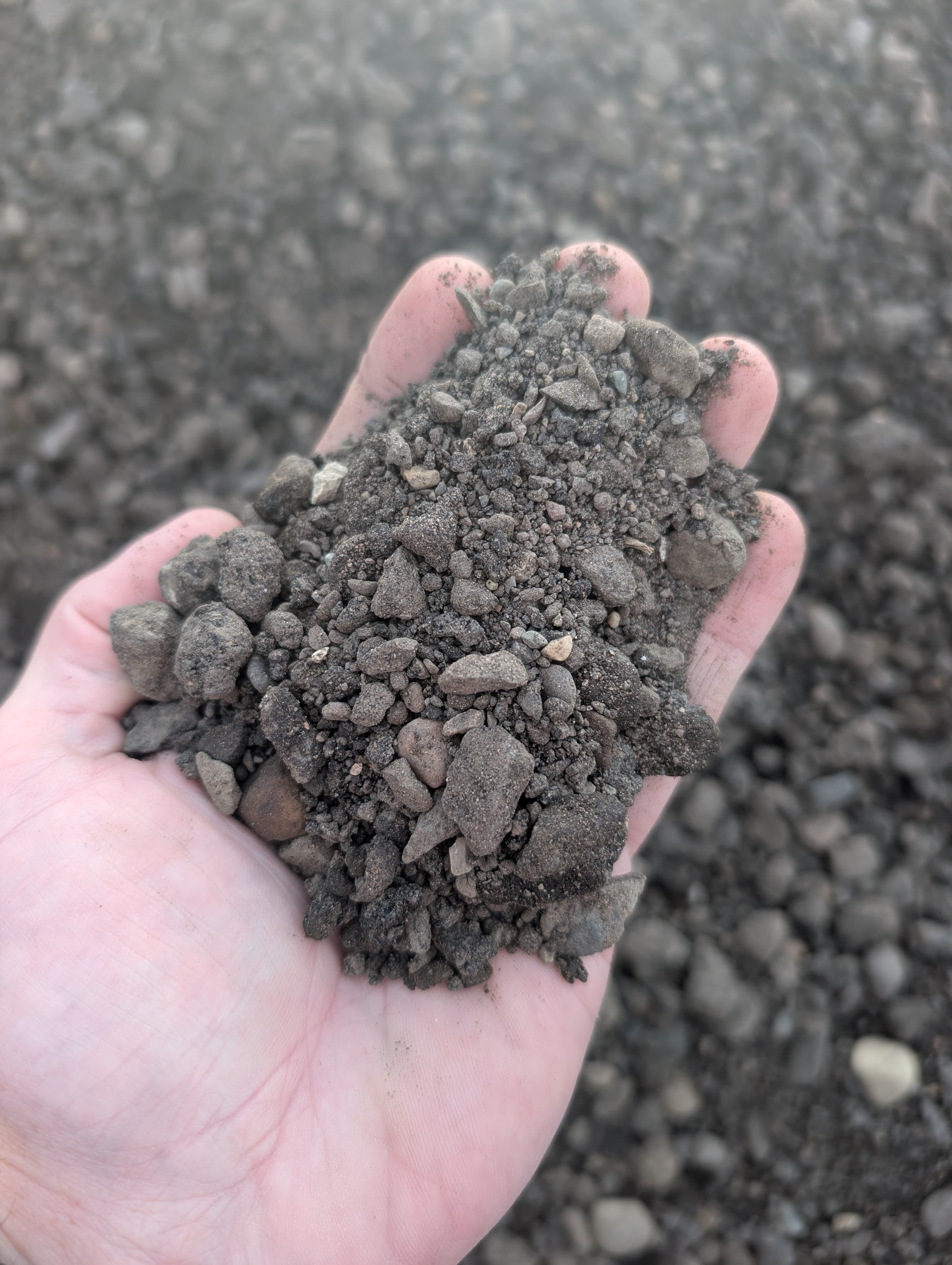
Recycled Asphalt Base
Driveway base gravel made with recycled asphalt.
Get It Loaded · $73.99/yd³ + tax
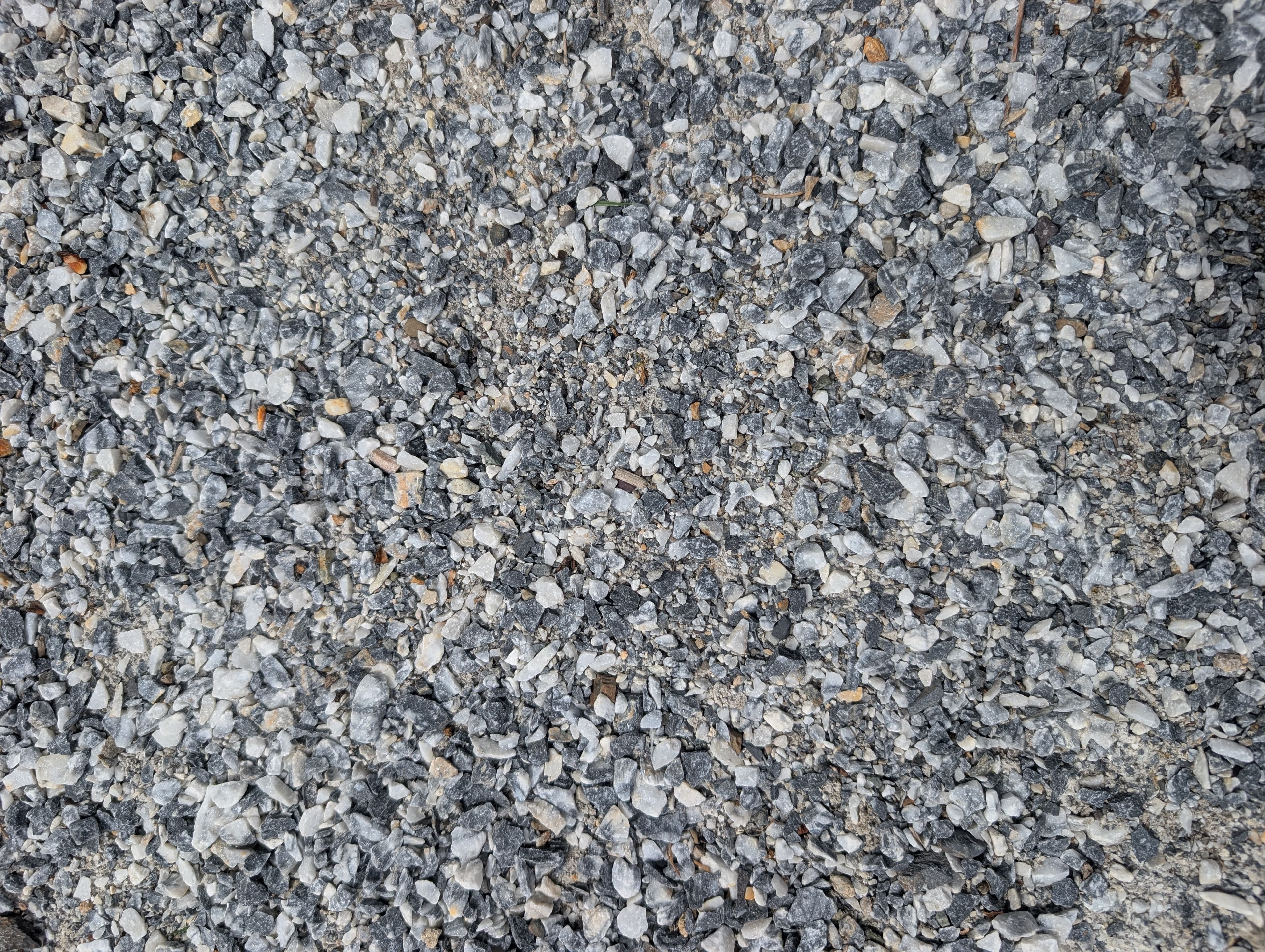
Limestone Driveway Gravel 1/2" Minus
Light-grey limestone that packs into a smooth finish
Get It Loaded · $94.99/yd³ + tax
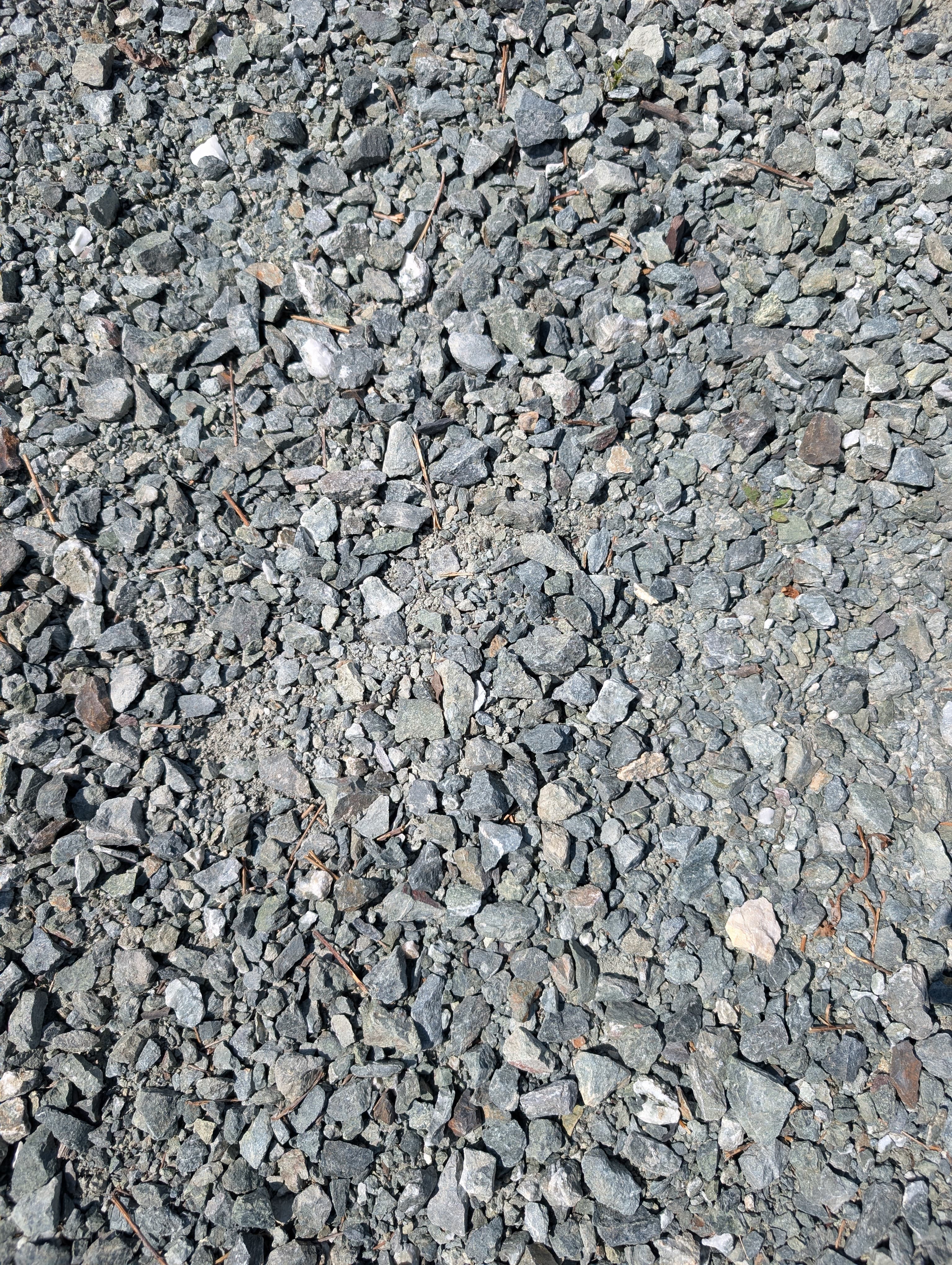
Green/Blue Driveway
Colour-rich gravel that packs down and stays put
Get It Loaded · $106.99/yd³ + tax
Common questions
How much gravel do I need for a driveway?
Multiply the length by the width in feet, multiply that by the depth in inches, then divide by 324. A 12 by 40 foot driveway at 4 inches deep works out to about 6 cubic yards, before the compaction allowance.
How many cubic yards of gravel are in a standard driveway?
Most single residential driveways in Prince George fall between 4 and 10 cubic yards for a surface refresh. A full rebuild on soft ground can be double that, because the base layer is deeper than the surface layer.
What is the best gravel for a driveway in northern BC?
A crushed minus product, which means it contains the fine material that lets the stone lock together. Road Crush 3/4 inch minus is the usual base, and a limestone or Striker driveway gravel is the usual surface. Clean washed rock stays loose and will not hold under a vehicle.
How much does a yard of gravel cover?
One cubic yard covers about 100 square feet at 3 inches deep, or about 80 square feet at 4 inches deep.